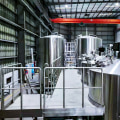
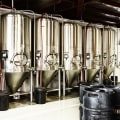
When it comes to brewing, the choice of materials for brewing equipment is crucial, as it directly impacts the quality of the final product. Understanding the various brewing equipment materials not only enhances your brewing experience but also ensures that you select the right tools for your craft. From kettles to fermenters, each piece of equipment is designed with specific materials that serve unique purposes, influencing factors such as heat retention, flavor preservation, and ease of cleaning. The most common materials used in brewing equipment supply include stainless steel, glass, plastic, and ceramic. Each material has its own set of advantages and disadvantages.
For instance, stainless steel is favored for its durability and resistance to corrosion, making it ideal for kettles and fermenters. On the other hand, glass is often used for carboys and bottles due to its non-reactive nature, which helps maintain the integrity of the brew. Understanding these differences is essential for both novice and experienced brewers alike. As we delve deeper into this topic, we will explore the various types of brewing equipment, examining how their materials affect not only functionality but also the overall brewing process. Whether you are setting up a home brewery or looking to upgrade your existing equipment, knowing what materials are best suited for your needs can make all the difference in achieving that perfect brew.
Common Materials Used in Brewing Equipment
When it comes to brewing equipment supply, the choice of materials is crucial for both the quality of the brew and the longevity of the equipment.Here are some of the most common materials used in brewing equipment:
- Stainless Steel: This is perhaps the most popular material for brewing equipment. Its resistance to corrosion, ease of cleaning, and ability to withstand high temperatures make it ideal for kettles, fermenters, and other brewing vessels. Stainless steel also does not impart any flavors to the beer, ensuring a pure taste.
- Glass: Often used for carboys and fermentation vessels, glass is non-reactive and allows brewers to visually monitor the fermentation process. However, it is more fragile than other materials and can be heavy, which may be a consideration for some brewers.
- Plastic: Commonly used in fermenters and bottling equipment, plastic is lightweight and affordable.
However, not all plastics are created equal; food-grade plastics are essential to avoid leaching harmful chemicals into the brew. While plastic can be convenient, it may not offer the same durability as stainless steel or glass.
- Ceramic: Though less common, ceramic is sometimes used for brewing vessels or storage containers. It is non-reactive and can provide excellent insulation. However, its weight and fragility can be drawbacks in a busy brewing environment.
Understanding these properties can help brewers make informed decisions when selecting their brewing equipment supply.
Stainless Steel: The Preferred Choice for Brewers
When it comes to brewing equipment supply, one material stands out as the preferred choice among both amateur and professional brewers: stainless steel. This versatile metal offers a range of benefits that make it ideal for brewing applications.Durability
Stainless steel is renowned for its exceptional durability. Unlike other materials, such as plastic or glass, stainless steel can withstand the rigors of brewing without cracking or breaking. This resilience ensures that your brewing equipment will last for years, making it a wise investment for any brewer.
Corrosion Resistance
One of the most significant advantages of stainless steel is its corrosion resistance.
Brewing involves various liquids, including water, wort, and cleaning solutions, which can be harsh on equipment. Stainless steel's ability to resist rust and corrosion means that it maintains its integrity over time, ensuring that your brews are not compromised by contaminants.
Ease of Cleaning
Maintaining hygiene is crucial in brewing, and stainless steel excels in this area as well. Its smooth surface makes it easy to clean and sanitize, reducing the risk of bacterial contamination. Many brewers appreciate that they can quickly wipe down their equipment or run it through a dishwasher without worrying about damaging the material.
Temperature Resistance
Stainless steel also performs well under extreme temperatures.
Whether you are boiling wort or cooling down your brew, stainless steel can handle the heat without warping or degrading. This thermal stability is essential for achieving consistent brewing results.
Aesthetic Appeal
In addition to its functional benefits, stainless steel has a sleek and modern appearance that many brewers find appealing. It adds a professional touch to any brewing setup, making it a popular choice for those who want their equipment to look as good as it performs.In summary, when considering brewing equipment supply, opting for stainless steel is a decision backed by numerous advantages. Its durability, corrosion resistance, ease of cleaning, temperature resilience, and aesthetic appeal make it the go-to material for brewers looking to enhance their craft.
Glass: A Classic Material for Brewing Equipment
When it comes to brewing equipment supply, glass stands out as a classic material that combines both functionality and aesthetic appeal.Glass brewing equipment, such as carboys, fermenters, and bottles, offers a unique advantage for both amateur and professional brewers alike.One of the primary benefits of using glass in brewing is its transparency. This allows brewers to easily monitor the fermentation process without having to open the container. Observing the bubbling activity and sediment formation through clear glass can provide valuable insights into the health of the fermentation, helping brewers make informed decisions about timing and temperature adjustments.Additionally, glass is non-reactive, meaning it won’t impart any unwanted flavors or chemicals into the brew. This characteristic is crucial for maintaining the integrity of the ingredients used in brewing, ensuring that the final product reflects the true essence of the recipe.
Unlike plastic, which can absorb odors and flavors over time, glass remains pure and clean, making it an ideal choice for long-term storage.
- Aesthetic Appeal: Glass brewing equipment often has a sleek and elegant look that enhances any brewing setup. The ability to see the brew inside adds an element of artistry to the process.
- Durability: While glass can be fragile, high-quality brewing glass is designed to withstand temperature changes and pressure, making it suitable for various brewing methods.
- Easy to Clean: Glass surfaces are easy to sanitize, which is essential for preventing contamination during brewing.
Plastic: Versatile and Affordable Brewing Solutions
When it comes to brewing equipment supply, plastic has emerged as a popular choice among homebrewers and commercial operations alike. Its affordability and versatility make it an attractive option for those looking to equip their brewing setups without breaking the bank.Advantages of Plastic Brewing Equipment
- Cost-Effective: Plastic brewing equipment is generally less expensive than its metal counterparts, making it accessible for beginners and budget-conscious brewers.
- Lightweight: The lightweight nature of plastic makes it easy to handle and transport, which is particularly beneficial for those who brew in different locations or need to move their equipment frequently.
- Variety of Options: From fermenters to bottling buckets, plastic brewing equipment comes in a wide range of shapes and sizes, allowing brewers to find the perfect fit for their specific needs.
- Durability: While some may question the longevity of plastic, high-quality food-grade plastics can withstand the rigors of brewing without cracking or breaking.
Potential Drawbacks of Plastic
- Scratching and Staining: Plastic can be prone to scratches, which may harbor bacteria if not cleaned properly.
Additionally, certain ingredients can stain plastic over time.
- Temperature Sensitivity: Some plastics may not hold up well under extreme temperatures, which can be a concern during the brewing process or when cleaning with hot water.
- Limited Lifespan: While durable, plastic equipment may not last as long as stainless steel or glass options, leading to potential replacement costs over time.
Ceramic: Traditional Brewing Equipment Material
Ceramic has long been a favored material in the world of brewing, celebrated for its unique properties that enhance both the brewing process and the final flavor of the beverage. Traditionally used in various cultures, ceramic brewing equipment offers a blend of aesthetic appeal and functional benefits.One of the primary advantages of ceramic is its ability to maintain temperature. Unlike metal or plastic, ceramic can retain heat effectively, which is crucial during the brewing process.This property helps to ensure that the water remains at an optimal temperature, allowing for better extraction of flavors from the coffee grounds or tea leaves.Additionally, ceramic is non-reactive, meaning it does not impart any unwanted flavors to the brew. This characteristic is particularly important for those who are sensitive to taste variations and want to experience the pure essence of their chosen ingredients. The smooth surface of ceramic also makes it easy to clean, reducing the risk of flavor contamination from previous brews.
- Flavor Enhancement: The thermal properties of ceramic help in achieving a consistent brew, enhancing the overall flavor profile.
- Aesthetic Appeal: Ceramic brewing equipment often comes in various designs and colors, adding a touch of elegance to any kitchen or café.
- Durability: While ceramic can be fragile, high-quality ceramics are designed to withstand high temperatures and regular use.
Comparing Materials: Which is Best for Your Brewing Needs?
When it comes to brewing equipment supply, the choice of material can significantly impact the quality of your brew and the longevity of your equipment.Here, we will compare the most common materials used in brewing equipment: stainless steel, glass, plastic, and ceramic.
Stainless Steel
Stainless steel is often regarded as the gold standard for brewing equipment. Its durability and resistance to corrosion make it ideal for both home brewers and commercial operations. Additionally, stainless steel is easy to clean and does not retain flavors or odors, ensuring that each batch of beer tastes fresh. However, it can be more expensive than other materials.Glass
Glass is another popular choice, particularly for fermenters and carboys.It allows brewers to easily monitor the fermentation process without opening the vessel. Glass is non-reactive, meaning it won’t impart any flavors to your brew. However, it is fragile and can break easily, which may not be ideal for all brewing environments.
Plastic
Plastic brewing equipment is lightweight and often more affordable than its metal or glass counterparts. It’s a great option for beginners or those on a budget.However, plastic can scratch easily and may harbor bacteria if not cleaned properly. Additionally, some plastics can absorb flavors over time, which could affect the taste of your beer.
Ceramic
Ceramic is less common but offers unique aesthetic appeal and excellent insulation properties. It’s often used for fermentation vessels and serving containers. While ceramic is non-reactive and can enhance the flavor profile of certain brews, it is also heavy and can be prone to chipping or cracking.In conclusion, the best material for your brewing equipment depends on your specific needs and preferences.If you prioritize durability and ease of cleaning, stainless steel may be your best bet. For those who value visibility during fermentation, glass could be ideal. If cost is a concern, plastic offers a practical solution, while ceramic provides a unique touch for those looking to enhance their brewing experience.
FAQs About Brewing Equipment Materials
When it comes to brewing equipment supply, understanding the materials used in your brewing equipment is crucial for both quality and safety. Here are some frequently asked questions regarding brewing equipment materials:What are the most common materials used in brewing equipment?
- Stainless Steel: This is the most popular choice due to its durability, resistance to corrosion, and ease of cleaning.
It’s ideal for kettles, fermenters, and other contact surfaces.
- Glass: Often used for carboys and some types of fermenters, glass is non-reactive and allows you to monitor fermentation visually. However, it can be fragile.
- Plastic: Commonly found in fermenters and bottling equipment, food-grade plastic is lightweight and affordable but may not be as durable as metal or glass.
- Copper: While less common today, copper is excellent for heat conductivity and is often used in traditional brewing setups. It requires more maintenance to prevent tarnishing.
Are there any safety concerns with brewing equipment materials?
Yes, safety is paramount when selecting brewing equipment. Here are some considerations:- Food-Grade Materials: Always ensure that the materials are food-grade to avoid leaching harmful substances into your brew.
- Heat Resistance: Materials should withstand high temperatures without degrading.
Stainless steel excels in this area.
- Cleaning and Maintenance: Choose materials that are easy to clean to prevent contamination. Stainless steel and glass are generally easier to maintain than plastic.
How do I choose the right material for my brewing needs?
Your choice of material will depend on several factors including:- Your Brewing Style: Different styles may require specific materials for optimal results.
- Budget: Consider the cost of materials versus their longevity and performance.
- Space and Storage: Some materials may require more careful storage than others, especially if they are fragile.
Conclusion: Choosing the Right Material for Your Brewing Equipment
In conclusion, selecting the right materials for your brewing equipment supply is crucial for achieving optimal brewing results. Each material offers distinct advantages and disadvantages that can significantly impact the flavor, quality, and overall experience of your brew.Stainless Steel:
This is often the preferred choice among brewers due to its durability, resistance to corrosion, and ease of cleaning. Stainless steel does not react with acidic ingredients, ensuring that the flavors of your brew remain pure.
Glass:
While glass is excellent for monitoring the brewing process and does not impart any flavors, it is fragile and can be more challenging to handle.
It’s ideal for smaller batches or as a secondary fermenter.
Plastic:
Lightweight and affordable, plastic brewing equipment can be a good option for beginners. However, it may absorb odors and flavors over time, which can affect the quality of your brew.
Copper:
Known for its excellent heat conductivity, copper can enhance the brewing process. However, it requires more maintenance to prevent tarnishing and should be lined with another material to avoid reactions with acidic ingredients.When choosing your brewing equipment supply, consider factors such as:
- Durability: Will the material withstand regular use?
- Maintenance: How easy is it to clean and maintain?
- Flavor Impact: Does the material affect the taste of your brew?
- Cost: Is it within your budget while still meeting your needs?