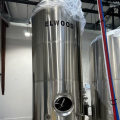
In the dynamic world of brewing, brewing equipment supply plays a pivotal role in determining the quality and efficiency of the final product. From small craft breweries to large-scale operations, the right brewing equipment is essential for producing consistent and high-quality beverages. Understanding the various types of brewing equipment, such as fermenters, kettles, and filtration systems, is crucial for any brewery looking to optimize its production process. The significance of a reliable brewing equipment supply cannot be overstated. It not only impacts the brewing process but also influences the overall operational costs and sustainability of a brewery.
With advancements in technology, modern brewing equipment has evolved to include innovative features that enhance productivity and reduce waste. This evolution has led many breweries to seek partnerships and collaborations with specialized suppliers who can provide cutting-edge solutions tailored to their specific needs. As we delve deeper into the topic, we will explore how these partnerships can benefit breweries by ensuring access to high-quality equipment and support services. By fostering strong relationships with suppliers, breweries can stay ahead of industry trends and maintain a competitive edge in a rapidly changing market. Understanding the landscape of brewing equipment supply is not just about acquiring tools; it’s about building a foundation for success in the brewing industry.
The Importance of Partnerships in Brewing Equipment Supply
In the competitive landscape of the brewing industry, partnerships play a pivotal role in enhancing the brewing equipment supply chain.Collaborations between breweries and equipment manufacturers can lead to significant advancements in technology and efficiency, ultimately benefiting both parties.
Innovation through Collaboration
- By partnering with specialized equipment suppliers, breweries can access cutting-edge technologies that improve brewing processes.
- Collaborative efforts often result in the development of customized solutions tailored to specific brewing needs, fostering innovation.
Cost Savings and Resource Sharing
- Partnerships can lead to bulk purchasing agreements, reducing costs for both breweries and suppliers.
- Sharing resources, such as research and development facilities, can minimize expenses while maximizing output.
Enhanced Product Offerings
- Collaborations allow breweries to expand their product lines by integrating new equipment that supports diverse brewing styles.
- Working with established suppliers can enhance credibility and attract a broader customer base.
Types of Collaborations in Brewing Equipment Supply
In the dynamic world of brewing equipment supply, various types of collaborations can significantly enhance operational efficiency and innovation. Understanding these collaborative models is essential for businesses looking to thrive in this competitive market.Joint Ventures
One of the most impactful forms of collaboration is the joint venture. In this model, two or more companies come together to create a new entity, pooling resources and expertise to develop innovative brewing technologies or equipment.For instance, a traditional brewing equipment manufacturer might partner with a tech startup specializing in automation to create state-of-the-art brewing systems that improve efficiency and reduce waste.
Strategic Alliances
Strategic alliances are another common collaboration type, where companies maintain their independence while working together towards common goals. This could involve sharing research and development resources or co-marketing initiatives. For example, a brewing equipment supplier might collaborate with a local brewery to test new equipment designs, providing valuable feedback that can lead to product improvements.Supplier Relationships
Strong relationships with brewing equipment suppliers are crucial for any brewery. These partnerships can range from long-term contracts to informal agreements that allow for flexibility in sourcing materials and components.By fostering good relationships with suppliers, breweries can ensure they have access to the latest technologies and best practices in brewing equipment.
Collaborative Research Initiatives
Another innovative approach is through collaborative research initiatives. This involves multiple stakeholders, including universities, research institutions, and industry players, working together on projects aimed at advancing brewing technology. Such collaborations can lead to breakthroughs in areas like sustainability and efficiency, benefiting all parties involved.In conclusion, the landscape of brewing equipment supply is enriched by various collaborative models. By leveraging joint ventures, strategic alliances, strong supplier relationships, and collaborative research initiatives, companies can drive innovation and improve their competitive edge in the market.Case Studies of Successful Partnerships
In the competitive landscape of the brewing industry, successful partnerships can significantly enhance the capabilities and offerings of brewing equipment suppliers.Here are a few notable case studies that illustrate how collaborations have driven innovation and growth.
Case Study 1: Craft Brew Alliance and Equipment Innovators
Craft Brew Alliance (CBA), a collective of craft breweries, partnered with a leading brewing equipment manufacturer to develop a new line of eco-friendly brewing systems. This collaboration focused on reducing water usage and energy consumption during the brewing process. As a result, CBA not only improved its sustainability practices but also attracted environmentally conscious consumers, leading to a 15% increase in sales over two years.Case Study 2: Local Brewery and Technology Firm
A local brewery teamed up with a technology firm specializing in automation to enhance its brewing efficiency. By integrating advanced monitoring systems into their brewing equipment, the brewery was able to optimize fermentation processes and reduce production time by 20%.This partnership not only improved product consistency but also allowed the brewery to scale operations without compromising quality.
Case Study 3: International Collaboration for Global Reach
An international brewing equipment supplier formed a strategic alliance with regional distributors across Europe and Asia. This collaboration enabled them to tailor their products to meet local market demands while leveraging each partner's distribution network. As a result, they expanded their market share by 30% in these regions within just one year.These examples highlight how collaboration in the brewing equipment supply sector can lead to innovative solutions, increased efficiency, and enhanced market presence. By fostering strong partnerships, companies can not only improve their product offerings but also drive significant growth in an ever-evolving industry.Challenges in Brewing Equipment Supply Partnerships
Partnerships in the brewing equipment supply chain can be incredibly beneficial, but they also come with a unique set of challenges.Understanding these challenges is crucial for any business looking to establish or maintain successful collaborations.
- Communication Barriers: One of the most significant challenges in partnerships is the potential for miscommunication. Different companies may have varying terminologies, expectations, and operational styles. This can lead to misunderstandings regarding project timelines, equipment specifications, and quality standards.
- Supply Chain Disruptions: The brewing industry is susceptible to fluctuations in supply chain dynamics. Issues such as raw material shortages, transportation delays, or unexpected demand spikes can hinder the timely delivery of brewing equipment.
These disruptions can strain relationships between partners if not managed effectively.
- Differing Objectives: Each partner may have distinct goals and priorities. For instance, one company might prioritize cost reduction while another focuses on innovation. Aligning these objectives is essential to ensure that both parties work towards a common vision.
- Quality Control Issues: Maintaining consistent quality across different suppliers can be challenging. Variations in manufacturing processes or standards can lead to discrepancies in the equipment supplied, affecting the overall brewing process.
- Establish Clear Communication Channels: Regular meetings and updates can help ensure that all parties are on the same page.
Utilizing collaborative tools can facilitate better communication and transparency.
- Develop Contingency Plans: Preparing for potential supply chain disruptions by having backup suppliers or alternative sourcing strategies can mitigate risks associated with unforeseen events.
- Align Goals Early On: During initial discussions, partners should clearly outline their objectives and expectations. This alignment helps prevent conflicts later in the partnership.
- Implement Quality Assurance Protocols: Establishing standardized quality control measures across all partners can help maintain consistency in the brewing equipment supply.
Future Trends in Brewing Equipment Supply Collaborations
As the brewing industry continues to evolve, future trends in brewing equipment supply are increasingly shaped by technological advancements and a growing emphasis on sustainability. Collaborations between brewing equipment suppliers and technology innovators are becoming more common, paving the way for smarter, more efficient brewing processes.Technological Innovations
- Automation and IoT: The integration of automation and Internet of Things (IoT) technologies is revolutionizing brewing operations. Suppliers are partnering with tech companies to develop smart brewing systems that allow for real-time monitoring and control, enhancing efficiency and consistency.
- Data Analytics: Collaborations focused on data analytics are helping brewers optimize their production processes.
By analyzing brewing data, companies can identify trends, improve recipes, and reduce waste.
- Advanced Materials: Partnerships with material science firms are leading to the development of new, durable materials for brewing equipment that can withstand high temperatures and pressures while being environmentally friendly.
Sustainability Initiatives
- Eco-friendly Practices: As sustainability becomes a priority, collaborations aimed at reducing the carbon footprint of brewing operations are on the rise. Suppliers are working with brewers to create energy-efficient equipment and sustainable sourcing practices.
- Circular Economy: The concept of a circular economy is gaining traction in the brewing equipment supply chain. Partnerships that focus on recycling and reusing materials are becoming essential for reducing waste and promoting sustainability.
By fostering partnerships that leverage technology and eco-friendly practices, the future of brewing equipment supply looks promising.
FAQs About Brewing Equipment Supply Partnerships
When it comes to brewing equipment supply, many potential partners have questions about the nature and benefits of collaborations. Here are some frequently asked questions that can help clarify common concerns:What types of partnerships are available in the brewing equipment supply industry?
Partnerships in the brewing equipment supply sector can take various forms, including:- Supplier Agreements: Collaborating with manufacturers to distribute their products.
- Joint Ventures: Working together with other companies to develop new brewing technologies or equipment.
- Co-Marketing Initiatives: Partnering with brands to promote products and services together.
How can I inquire about potential partnerships?
If you're interested in exploring partnership opportunities, consider reaching out directly through our website's contact form or by emailing our business development team. Be sure to include details about your company and what type of collaboration you envision.What are the benefits of partnering in the brewing equipment supply sector?
Collaborations can lead to numerous advantages, such as:- Access to New Markets: Partnering with established brands can help you reach a broader audience.
- Shared Resources: Collaborations often allow for shared technology, knowledge, and financial resources.
- Innovation Opportunities: Working together can foster innovation, leading to improved products and services.
Are there any risks associated with partnerships?
While partnerships can be beneficial, they also come with risks. It's essential to conduct thorough due diligence before entering into any agreement.Consider factors such as:
- Cultural Fit: Ensure that your company values align with those of your potential partner.
- Financial Stability: Assess the financial health of your partner to avoid future complications.
- Clear Agreements: Establish clear terms and expectations to prevent misunderstandings.
Conclusion: The Value of Collaboration in Brewing Equipment Supply
In conclusion, the landscape of brewing equipment supply is significantly enhanced through strategic partnerships and collaborations. These alliances not only foster innovation but also streamline the supply chain, ensuring that breweries have access to the latest technology and equipment.Throughout this article, we explored how collaborations can lead to:- Improved Quality: By partnering with specialized manufacturers, breweries can source high-quality equipment that meets their specific needs.
- Cost Efficiency: Collaborations often result in bulk purchasing agreements, reducing costs for both parties involved.
- Access to Expertise: Working with established companies allows breweries to tap into a wealth of knowledge and experience, which can be invaluable in optimizing brewing processes.
- Innovation: Joint ventures can lead to the development of cutting-edge brewing technologies that push the industry forward.
As we move forward, it will be essential for breweries to seek out and cultivate these relationships, ensuring they remain agile and responsive to market demands.