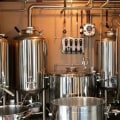
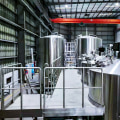
In the world of brewing, whether for craft beer, coffee, or specialty teas, the brewing equipment supply plays a crucial role in determining the quality and consistency of the final product. As the demand for unique flavors and artisanal beverages continues to rise, so does the need for custom brewing equipment tailored to specific requirements. Understanding the nuances of brewing equipment is essential for both novice brewers and seasoned professionals looking to elevate their craft. Every brewing operation has its own set of challenges and goals, which is why a one-size-fits-all approach often falls short. From small-scale home brewers to large commercial operations, the brewing equipment needs can vary significantly.
Factors such as batch size, ingredient types, and desired flavor profiles all influence the choice of equipment. This is where custom solutions come into play, allowing brewers to optimize their processes and achieve their unique vision. By investing in tailored brewing equipment, businesses can not only enhance their production efficiency but also create distinctive products that stand out in a competitive market. Whether it’s a specialized mash tun for a specific grain or a unique filtration system designed for clarity and taste, understanding the full spectrum of brewing equipment supply opens up a world of possibilities for innovation and creativity in brewing.
The Importance of Custom Brewing Equipment
In the world of brewing, custom brewing equipment plays a pivotal role in meeting the unique demands of various brewing processes. Unlike standard equipment, which may not cater to specific requirements, tailored solutions offer significant advantages that can enhance both efficiency and product quality.One of the primary reasons for investing in custom brewing equipment is the ability to optimize production.Every brewery has its own set of challenges, whether it’s the scale of production, the type of ingredients used, or the desired flavor profiles. Custom solutions allow brewers to design equipment that aligns perfectly with their operational needs, ensuring that every batch meets their high standards.
- Enhanced Efficiency: Custom equipment can streamline processes, reducing waste and saving time. For instance, a tailored mash tun can improve heat retention and extraction rates, leading to better yields.
- Improved Quality Control: With bespoke brewing systems, brewers can maintain consistent quality across batches. This is crucial for building a brand reputation and ensuring customer satisfaction.
- Flexibility and Scalability: As breweries grow or pivot to new styles, custom equipment can be adapted or expanded without the need for complete overhauls.
This flexibility is vital in a rapidly changing market.
Types of Brewing Equipment Available
When it comes to brewing equipment supply, understanding the various types of brewing equipment available is essential for both novice and experienced brewers. Each category of equipment serves a specific purpose, catering to different brewing methods and preferences.1.Home Brewing Equipment
For those who are just starting out or brewing on a small scale, home brewing equipment is designed to be user-friendly and efficient.This category typically includes:
- Brewing Kettles: Essential for boiling ingredients, these kettles come in various sizes and materials.
- Fermenters: Used for fermentation, these vessels can be glass carboys or plastic buckets.
- Bottling Equipment: Tools like bottle caps and cappers help in packaging the final product.
2.Commercial Brewing Systems
For larger operations, commercial brewing systems are necessary to meet higher production demands. These systems often include:- Mash Tuns: Designed for mashing grains, these insulated vessels maintain temperature for optimal enzyme activity.
- Brew Kettles: Larger than home versions, these kettles are built to handle significant volumes of wort.
- Heat Exchangers: Used to cool down the wort quickly after boiling, ensuring that fermentation can begin promptly.
3.Specialty Brewing Equipment
For brewers looking to experiment or create unique flavors, specialty equipment can enhance the brewing process. This includes:- Kegging Systems: Allow for easy storage and serving of beer on draft.
- Carbonation Equipment: Essential for achieving the desired fizziness in the final product.
- Filtration Systems: Help in clarifying the beer by removing unwanted particles.
Assessing Your Brewing Needs
When it comes to brewing equipment supply, understanding your specific brewing needs is essential for selecting the right custom equipment.This process begins with a thorough assessment of your brewing goals and operational requirements.
1.Define Your Brewing Goals
- Are you aiming to produce small batches for local sales, or are you planning to scale up for larger distribution?
- What types of beverages do you intend to brew? Different drinks may require specialized equipment.
- Consider the flavor profiles you want to achieve, as this can influence the type of brewing methods and equipment needed.
2.Evaluate Your Space and Resources
- Assess the physical space available for your brewing setup. This includes not only the brewing area but also storage for ingredients and finished products.
- Consider your budget constraints. Custom equipment can vary significantly in cost, so it’s important to align your needs with your financial resources.
- Think about the utilities available, such as water supply, electricity, and gas, as these will impact the type of equipment you can use.
3.Identify Key Equipment Requirements
- List out essential equipment based on your brewing goals. This may include fermenters, kettles, chillers, and filtration systems.
- Determine if you need any specialized tools for quality control, such as pH meters or hydrometers.
- Consider whether you require automation features to streamline your brewing process.
This tailored approach not only enhances efficiency but also ensures that your final product meets the desired quality standards.
How to Choose a Custom Brewing Equipment Supplier
Choosing the right brewing equipment supplier is crucial for ensuring that your custom brewing needs are met effectively. Here are some essential tips to help you find a reliable supplier:- Assess Experience: Look for suppliers with a proven track record in the brewing industry. An experienced supplier will have a better understanding of the specific requirements and challenges associated with custom brewing.
- Check Reputation: Research the supplier's reputation by reading customer reviews and testimonials. A reputable supplier will have positive feedback from previous clients, indicating their reliability and quality of service.
- Evaluate Product Range: Ensure that the supplier offers a wide range of brewing equipment options.
This flexibility allows you to customize your equipment according to your specific brewing processes and preferences.
- Customer Service: Good customer service is essential when dealing with custom orders. Choose a supplier that is responsive and willing to assist you throughout the entire process, from initial consultation to post-purchase support.
- Request Samples: If possible, request samples or demonstrations of their equipment. This will give you a firsthand experience of the quality and functionality of their products.
- Compare Pricing: While cost should not be the only factor, it’s important to compare pricing among different suppliers. Ensure that you are getting value for your investment without compromising on quality.
A reliable supplier will not only provide high-quality equipment but also support your brewing journey with expert advice and assistance.
Case Studies: Successful Custom Brewing Solutions
In the world of brewing, custom brewing equipment can make a significant difference in production efficiency and product quality. Here are some compelling case studies that illustrate how tailored solutions have transformed businesses.Case Study 1: Craft Brewery Expansion
A small craft brewery in Oregon faced challenges with scaling up production while maintaining the unique flavors of their beers. They partnered with a brewing equipment supply company to design a custom fermentation system that allowed for greater control over temperature and pressure. This bespoke solution not only increased their output by 50% but also enhanced the flavor profiles of their brews, leading to a 30% increase in sales within six months.Case Study 2: Specialty Coffee Roaster
A specialty coffee roaster in California sought to improve their roasting consistency and efficiency.By collaborating with a manufacturer specializing in custom brewing solutions, they developed a unique roasting machine that incorporated advanced technology for real-time monitoring of roast profiles. This innovation reduced roasting time by 20% and improved flavor consistency, resulting in higher customer satisfaction and repeat business.
Case Study 3: Large-Scale Beverage Manufacturer
A large beverage manufacturer needed to diversify their product line to include craft sodas. They required a custom bottling line that could handle various bottle sizes and carbonation levels. By investing in a tailored bottling system, they successfully launched their new product line, which accounted for 15% of their total revenue within the first year.These case studies highlight the importance of custom brewing equipment in addressing specific operational challenges.By investing in tailored solutions, businesses can not only enhance their production capabilities but also improve product quality and customer satisfaction.
Frequently Asked Questions about Custom Brewing Equipment
When considering custom brewing equipment, many potential buyers have questions about the process, options, and benefits. Here are some frequently asked questions that can help clarify your inquiries.- What types of custom brewing equipment can be supplied?
Custom brewing equipment can range from kettles and fermenters to kegerators and mash tuns. Depending on your specific needs, manufacturers can tailor these items to fit your brewing style, capacity, and space requirements. - How do I determine what custom equipment I need?
Assess your brewing goals, production volume, and available space. Consulting with a brewing equipment supplier can provide insights into the best configurations for your setup. - Can I get custom brewing equipment for small-scale operations?
Absolutely! Many suppliers offer solutions for both large-scale breweries and small home brewers.Customization options are available to suit any scale of operation.
- What is the lead time for custom brewing equipment?
Lead times can vary based on the complexity of the design and the supplier's workload. Typically, you can expect anywhere from a few weeks to several months for delivery. - Are there additional costs associated with custom brewing equipment?
Yes, custom designs may incur additional costs compared to standard equipment. Factors such as materials, design complexity, and features will influence the final price. - How do I maintain my custom brewing equipment?
Regular maintenance is crucial for longevity. Follow the manufacturer's guidelines for cleaning and upkeep, and consider scheduling professional inspections periodically.
Conclusion: The Future of Custom Brewing Equipment Supply
As we look towards the future of custom brewing equipment supply, it is clear that the industry is evolving to meet the diverse needs of brewers, both large and small.The demand for personalized solutions is on the rise, driven by a growing appreciation for unique flavors and brewing techniques. This shift not only enhances the brewing experience but also fosters innovation within the industry.In summary, custom solutions in brewing equipment are no longer a luxury but a necessity for many brewers aiming to differentiate themselves in a competitive market. From tailored kettles to specialized fermentation tanks, the ability to customize equipment allows brewers to experiment with new recipes and processes, ultimately leading to higher quality products.Moreover, advancements in technology are paving the way for even more sophisticated brewing systems. Automation and smart brewing technologies are becoming increasingly accessible, enabling brewers to optimize their operations while maintaining the artisanal touch that defines craft brewing.
- Increased Demand: The trend towards customization reflects a broader consumer desire for unique and high-quality products.
- Technological Advancements: Innovations in brewing technology will continue to shape the future of equipment supply.
- Sustainability: Custom solutions can also incorporate sustainable practices, appealing to environmentally conscious consumers.
By investing in tailored solutions, brewers can not only meet their specific needs but also contribute to the ongoing evolution of the brewing landscape.