When it comes to brewing equipment supply, understanding the technical specifications and dimensions of the equipment is crucial for both aspiring home brewers and established commercial operations. The right equipment not only enhances the brewing process but also ensures consistency and quality in the final product. Whether you are crafting a small batch of artisanal beer at home or managing a large-scale brewery, knowing the specifications can make all the difference. Each piece of brewing equipment, from kettles to fermenters, comes with its own set of specifications that dictate its performance and suitability for specific brewing styles. For instance, the capacity of a brew kettle can significantly affect batch sizes, while the dimensions of fermentation tanks can influence space requirements in your brewing setup.
Understanding these details helps brewers make informed decisions that align with their production goals and available space. Moreover, as the craft brewing industry continues to grow, so does the variety of brewing equipment available on the market. This diversity means that brewers must carefully evaluate their options based on technical specifications such as material quality, heating methods, and energy efficiency. By prioritizing these factors, brewers can optimize their operations and enhance their brewing experience.
Types of Brewing Equipment
When exploring brewing equipment supply, it’s crucial to understand the various types of brewing equipment available, as each serves different needs and purposes. Below are the primary categories of brewing equipment:- Home Brewing Kits: Ideal for enthusiasts looking to brew small batches at home, these kits typically include essential items such as fermenters, airlocks, and bottles.
They are designed for ease of use and often come with detailed instructions, making them perfect for beginners.
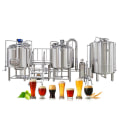
- Commercial Brewing Systems: For larger scale operations, commercial brewing systems are essential. These systems can range from small brewpub setups to large-scale production facilities. They often include advanced features like automated controls, larger fermentation tanks, and integrated cleaning systems to streamline the brewing process.
- Specialized Equipment: This category encompasses a variety of tools designed for specific brewing tasks. Examples include:
- Boil Kettles: Used for boiling wort and adding hops during the brewing process.
- Fermentation Tanks: Essential for allowing yeast to convert sugars into alcohol, these tanks come in various sizes and materials.
- Kegging Systems: Designed for storing and serving beer, these systems help maintain carbonation and freshness.
Whether you are a hobbyist or a professional brewer, selecting the right equipment can significantly impact the quality of your final product.
Key Technical Specifications of Brewing Equipment
When selecting brewing equipment, understanding the technical specifications is crucial for ensuring that the equipment meets your brewing needs. Here are some key specifications to consider:- Capacity: The capacity of brewing equipment is typically measured in gallons or liters. This specification indicates how much liquid can be processed in a single batch. For home brewers, smaller systems (1-5 gallons) may suffice, while commercial operations often require larger systems (10-100 gallons or more).
- Material: The materials used in brewing equipment significantly affect durability and flavor.
Stainless steel is the most common choice due to its resistance to corrosion and ease of cleaning. Some systems may also incorporate food-grade plastics or glass, which can impact the brewing process.
- Power Requirements: Brewing equipment often requires specific power inputs, typically measured in watts or volts. Understanding these requirements is essential for ensuring compatibility with your existing electrical systems. For instance, electric kettles may require a standard 120V outlet, while larger systems might need 240V.
- Efficiency Ratings: Efficiency ratings indicate how effectively the equipment converts energy into usable heat for brewing.
Higher efficiency means less energy waste and lower operational costs. Look for equipment with good thermal insulation and efficient heating elements.
Dimensions of Brewing Equipment: What You Need to Know
When considering brewing equipment supply, understanding the dimensions of various brewing equipment is essential for both home brewers and commercial operations. The size of brewing equipment can significantly impact the efficiency of your brewing process and the overall layout of your brewing space.Here are some common types of brewing equipment and their typical dimensions:- Home Brewing Kettles: These usually range from 5 to 20 gallons in capacity.
A 10-gallon kettle typically measures about 18 inches in diameter and 15 inches in height.
- Fermentation Tanks: For home brewers, a standard fermentation bucket is around 6.5 gallons, with dimensions of approximately 12 inches in diameter and 24 inches in height. Commercial fermentation tanks can vary widely, from 7 to over 100 barrels, with heights often exceeding 6 feet.
- Brewery Mash Tuns: A mash tun for home brewing can be around 10 to 15 gallons, measuring about 16 inches in diameter and 18 inches in height. In commercial settings, mash tuns can be much larger, often exceeding 1,000 liters.
- Cooling Systems: Plate chillers or immersion chillers vary in size but typically require a footprint of at least 2 square feet for effective operation.
- Clearance: Ensure there is adequate space around each piece of equipment for maintenance and cleaning. A minimum of 2 feet clearance is recommended.
- Workflow: Arrange equipment to facilitate a smooth workflow from brewing to fermentation to packaging.
- Utilities: Account for necessary utilities such as water supply, drainage, and electrical outlets when determining the layout.
Choosing the Right Brewing Equipment for Your Needs
When it comes to choosing brewing equipment, understanding your specific needs is crucial.Whether you are a homebrewer or looking to invest in commercial brewing equipment, several factors will influence your decision.
1.Budget Considerations
- Determine how much you are willing to spend. Home brewing setups can range from a few hundred to several thousand dollars, while commercial systems can be significantly more expensive.
- Consider not just the initial purchase price but also ongoing costs such as maintenance, ingredients, and utilities.
2.Space Requirements
- Evaluate the space you have available for your brewing equipment. Home setups may require less space, while commercial operations need ample room for larger systems and storage.
- Measure your area to ensure that the equipment fits comfortably and allows for safe operation.
3.Intended Use
- If you are brewing for personal enjoyment, a smaller, more affordable system may suffice. Look for best brewing equipment for home that offers versatility and ease of use.
- For commercial purposes, consider scalability and efficiency.
Equipment that can handle larger batches and has advanced features will be essential for meeting demand.
4.Research and Reviews
- Read reviews and seek recommendations from other brewers. Online forums and local brewing clubs can provide valuable insights into the performance of different brands and models.
- Look for equipment that has a good reputation for durability and customer support.
Frequently Asked Questions about Brewing Equipment Supply
When it comes to brewing equipment supply, many users have questions regarding the specifications, dimensions, and troubleshooting of their equipment. Below are some frequently asked questions that can help clarify common concerns.What are the standard dimensions of brewing equipment?
The dimensions of brewing equipment can vary significantly based on the type and capacity. For example:- Home Brewing Kits: Typically range from 5 to 10 gallons, with dimensions around 12-18 inches in diameter and 24-36 inches in height.
- Commercial Brewing Systems: Can range from 1 barrel (31 gallons) to over 30 barrels, with larger systems often exceeding 10 feet in height and several feet in width.
What technical specifications should I look for?
Key technical specifications to consider include:- Material: Stainless steel is preferred for its durability and resistance to corrosion.
- Heating Method: Electric vs.
gas; each has its pros and cons depending on your brewing style.
- Control Systems: Automated systems can enhance precision, while manual controls offer more hands-on experience.
How do I troubleshoot common brewing equipment issues?
If you encounter problems with your brewing equipment, consider the following troubleshooting tips:- Poor Temperature Control: Check the thermostat calibration and ensure that heating elements are functioning properly.
- Inconsistent Brew Quality: Review your ingredient measurements and ensure that your brewing process is consistent.
- Leaks: Inspect all connections and seals for wear or damage; replacing gaskets may resolve leaks.
Conclusion: Making Informed Decisions on Brewing Equipment Supply
In conclusion, understanding the technical specifications and dimensions of brewing equipment supply is crucial for making informed decisions that can significantly impact your brewing operations. Throughout this article, we have explored various aspects of brewing equipment, emphasizing the importance of selecting the right tools for your specific needs.When evaluating brewing equipment, consider the following key points:- Capacity: Ensure that the equipment can handle your production volume without compromising quality.
- Material: The choice of materials affects not only durability but also the flavor profile of your brews.
- Dimensions: Assess the space available in your brewing area to avoid logistical challenges.
- Energy Efficiency: Opt for equipment that minimizes energy consumption to reduce operational costs.
- Ease of Use: User-friendly designs can enhance productivity and reduce training time for staff.