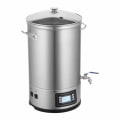
Maintaining and cleaning your brewing equipment is not just a matter of hygiene; it is essential for ensuring the quality of your brews and extending the lifespan of your equipment. Over time, residues from grains, hops, and yeast can build up in your brewing apparatus, leading to off-flavors and potential contamination. Regular maintenance helps to prevent these issues, allowing you to produce consistently great-tasting beverages. Moreover, the importance of cleaning brewing equipment cannot be overstated. A clean brewing environment minimizes the risk of unwanted bacteria and wild yeast strains that can spoil your carefully crafted recipes.
By investing time in proper cleaning techniques, you not only safeguard the integrity of your brews but also enhance the overall brewing experience. This proactive approach can save you from costly mistakes and ensure that each batch meets your high standards. In addition to improving flavor and safety, routine maintenance can significantly reduce repair costs over time. Well-maintained equipment operates more efficiently, which can lead to lower energy consumption and reduced wear and tear. Understanding these aspects of brewing equipment supply will empower you to take better care of your tools, ultimately leading to superior results in your brewing endeavors.
Types of Brewing Equipment and Their Specific Maintenance Needs
When it comes to brewing equipment supply, understanding the different types of equipment and their specific maintenance needs is crucial for achieving the best results in your brewing process.Each piece of equipment has unique requirements that, if neglected, can lead to suboptimal performance or even spoilage of your brew.
Kettles
Kettles are essential for boiling your wort, and maintaining them is vital for preventing off-flavors. Regularly check for:- Burnt residue: After each use, clean the kettle with a non-abrasive cleaner to remove any burnt material.
- Corrosion: Inspect for signs of rust or corrosion, especially if using a stainless steel kettle. Use a food-safe polish to maintain its shine.
Fermenters
Fermenters are where the magic happens, so keeping them clean is paramount. Consider these maintenance tips:- Sanitization: Always sanitize your fermenter before and after use to prevent contamination.
Use a no-rinse sanitizer for convenience.
- Temperature control: Regularly check the temperature settings and ensure that the fermenter is in a stable environment to avoid temperature fluctuations.
Kegs
Kegs require special attention to ensure that your beer remains fresh and carbonated. Key maintenance practices include:- Cleaning: Clean kegs thoroughly after each use, focusing on the interior and all fittings. A keg cleaning solution can help remove stubborn residues.
- Pressure checks: Regularly inspect the pressure relief valve and seals to ensure they are functioning properly, preventing leaks and maintaining carbonation levels.
General Cleaning Guidelines for Brewing Equipment
Maintaining the cleanliness of your brewing equipment is essential for ensuring the quality of your brews and prolonging the lifespan of your gear.Here are some general cleaning guidelines that apply to various types of brewing equipment.
1.Regular Cleaning Schedule
Establish a regular cleaning schedule based on your brewing frequency. For home brewers, a thorough clean after each batch is recommended, while commercial brewers may need to clean daily or weekly depending on usage.2.Recommended Cleaning Agents
- Non-toxic cleaners: Opt for cleaning agents that are safe for food contact surfaces, such as PBW (Powdered Brewery Wash) or Star San.
- Vinegar and baking soda: These household items can effectively remove stains and odors without leaving harmful residues.
- Bleach: While effective, bleach should be used sparingly and thoroughly rinsed off to avoid contamination.
3.Cleaning Techniques
- Disassemble equipment: Whenever possible, disassemble your brewing equipment to ensure all parts are accessible for cleaning.
- Soak components: Soak removable parts in warm water mixed with your chosen cleaning agent to loosen any stubborn residues.
- Scrub surfaces: Use a soft brush or cloth to scrub surfaces, paying special attention to hard-to-reach areas where residue may accumulate.
- Rinse thoroughly: After cleaning, rinse all components with hot water to remove any cleaning agent residues before reassembling.
Step-by-Step Cleaning Instructions for Common Brewing Equipment
Maintaining the cleanliness of your brewing equipment supply is crucial for producing high-quality brews. Below are step-by-step cleaning instructions for some common brewing equipment.1.Brew Kettle
- Cool Down: Allow the brew kettle to cool completely after use.
- Rinse: Rinse the kettle with hot water to remove any residual wort.
- Scrub: Use a non-abrasive scrubber and a mixture of warm water and a mild detergent to scrub the interior surfaces.
- Sanitize: After rinsing, sanitize the kettle using a no-rinse sanitizer, following the manufacturer's instructions.
- Dry: Allow the kettle to air dry completely before storing it away.
2.Fermenter
- Empty: Remove any remaining beer or sediment from the fermenter.
- Rinse: Rinse with warm water to eliminate any leftover residue.
- Clean: Use a specialized brewing cleaner or a mixture of water and baking soda to scrub the inside thoroughly.
- Sanitize: Sanitize with a no-rinse sanitizer, ensuring all surfaces are covered.
- Store: Store the fermenter in a clean, dry place with the lid off to prevent moisture buildup.
3.Taps and Faucets
- Dismantle: Carefully disassemble the tap or faucet according to the manufacturer's instructions.
- Soak: Soak all parts in a cleaning solution for at least 15 minutes.
- Scrub: Use a soft brush to clean hard-to-reach areas, ensuring no residue remains.
- Rinse and Sanitize: Rinse thoroughly with hot water and then sanitize all components before reassembling.
- Reassemble: Put the tap or faucet back together, ensuring all parts are secure and clean.
Regular maintenance not only prolongs the life of your equipment but also contributes to better flavor profiles in your finished products.
Maintenance Tips to Extend the Life of Your Brewing Equipment
Maintaining your brewing equipment supply is essential for ensuring optimal performance and longevity. By implementing a few proactive maintenance tips, you can significantly extend the life of your brewing gear and avoid costly repairs.- Regular Cleaning: After each brewing session, it’s crucial to clean all equipment thoroughly. Use warm water and a mild detergent to remove any residue. Pay special attention to hard-to-reach areas where buildup can occur.
- Sanitization: Always sanitize your brewing equipment before and after use.
This prevents contamination and off-flavors in your beer. Consider using a no-rinse sanitizer for convenience.
- Inspect Seals and Gaskets: Regularly check the seals and gaskets on your brewing vessels. These components can wear out over time, leading to leaks. Replace them as needed to maintain a tight seal.
- Monitor Temperature: Keep an eye on the temperature of your brewing equipment.
Extreme temperatures can cause damage or affect the quality of your brew. Ensure that your equipment is stored in a climate-controlled environment.
- Calibrate Equipment: Periodically calibrate your brewing equipment, especially thermometers and hydrometers. Accurate readings are vital for consistent brewing results.
- Store Properly: When not in use, store your brewing equipment in a dry, clean area. Avoid stacking heavy items on top of delicate equipment to prevent damage.
Remember, a little effort in maintenance goes a long way in preserving the integrity of your brewing gear.
Common Mistakes to Avoid When Cleaning Brewing Equipment
Cleaning your brewing equipment supply is crucial for maintaining the quality of your brews, but many brewers make common mistakes that can lead to unsatisfactory results. Here are some pitfalls to avoid:- Neglecting to Rinse Thoroughly: One of the most frequent errors is not rinsing equipment properly after cleaning. Residual cleaning agents can affect the flavor of your beer. Always ensure that all surfaces are rinsed with clean water.
- Using Abrasive Cleaners: Some brewers mistakenly use harsh chemicals or abrasive materials that can scratch or damage their equipment.
Stick to recommended cleaning solutions specifically designed for brewing equipment.
- Overlooking Hard-to-Reach Areas: It’s easy to miss corners and crevices during cleaning. These areas can harbor bacteria and residues. Use brushes or cloths designed for your specific equipment to ensure a thorough clean.
- Inconsistent Cleaning Schedule: Failing to establish a regular cleaning routine can lead to buildup over time. Create a schedule that aligns with your brewing frequency to keep your equipment in top shape.
- Ignoring Manufacturer Instructions: Each piece of brewing equipment may have specific cleaning requirements.
Always refer to the manufacturer’s guidelines for the best practices tailored to your gear.
FAQs About Brewing Equipment Maintenance and Cleaning
Maintaining and cleaning your brewing equipment is essential for ensuring the quality of your brews and prolonging the lifespan of your gear. Here are some frequently asked questions regarding brewing equipment maintenance and cleaning:What is the best way to clean my brewing equipment?
The best way to clean your brewing equipment is to use a combination of hot water and a suitable cleaning solution. Many brewers prefer using a non-toxic, biodegradable cleaner specifically designed for brewing.After rinsing with hot water, ensure that all residues are removed before using the equipment again.
How often should I clean my brewing gear?
You should clean your brewing gear after every use. This includes fermenters, kettles, and any other equipment that comes into contact with your brew. Regular cleaning prevents the buildup of bacteria and ensures that flavors remain pure.Can I use bleach to clean my brewing equipment?
While bleach can be effective for sanitizing, it is not recommended for cleaning brewing equipment. Residual bleach can impart off-flavors to your beer.Instead, opt for specialized brewing sanitizers that are safe and effective.
What should I do if my equipment has stubborn stains?
- Soak: Soak the stained area in a warm solution of cleaning agent for several hours.
- Scrub: Use a soft brush or sponge to gently scrub the area.
- Rinse: Rinse thoroughly with hot water to remove any remaining cleaner.
How can I maintain my brewing equipment?
To maintain your brewing equipment, follow these tips:- Inspect regularly: Check for any signs of wear or damage.
- Avoid extreme temperatures: Store your equipment in a stable environment.
- Keep it dry: Ensure all parts are completely dry before storage to prevent mold growth.
Conclusion: Keeping Your Brewing Equipment in Top Shape
In conclusion, maintaining and cleaning your brewing equipment supply is essential for achieving the best results in your brewing endeavors. Regular upkeep not only prolongs the life of your equipment but also ensures that each batch of beer or coffee is brewed to perfection.Here are some key takeaways to keep in mind:- Establish a Routine: Create a regular cleaning schedule based on your brewing frequency. This will help you stay on top of maintenance tasks and prevent buildup of residues.
- Use the Right Cleaning Agents: Invest in cleaning solutions specifically designed for brewing equipment. Avoid harsh chemicals that could leave harmful residues.
- Inspect Equipment Regularly: Check for any signs of wear and tear, leaks, or corrosion.
Early detection can save you from costly repairs down the line.
- Follow Manufacturer Guidelines: Always refer to the manufacturer’s instructions for specific cleaning and maintenance recommendations tailored to your equipment.