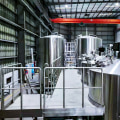
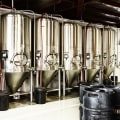
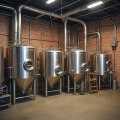
In the dynamic world of brewing, brewing equipment supply plays a pivotal role in determining the quality and efficiency of the final product. Whether you are a seasoned brewer or just starting your journey, understanding the various types of brewing equipment available is essential. From kettles and fermenters to bottling lines and quality control tools, each piece of equipment contributes significantly to the brewing process. The right equipment not only enhances the flavor and consistency of your brews but also streamlines production, making it crucial for any brewing operation. The importance of having access to reliable brewing equipment supply cannot be overstated.
As the craft beer industry continues to grow, so does the demand for high-quality brewing tools that can meet the needs of both small-scale and large-scale operations. This demand has led to a variety of options in the market, including new, used, and leased equipment. Understanding these options allows brewers to make informed decisions that align with their business goals and budget constraints. As we delve deeper into this topic, we will explore not only the types of brewing equipment available but also the advantages of leasing options for purchasing this essential gear. Leasing can provide a flexible solution for many brewers, allowing them to access top-tier equipment without the hefty upfront costs associated with outright purchases.
This approach can be particularly beneficial for startups or those looking to expand their operations without overextending their financial resources.
Leasing vs. Purchasing Brewing Equipment
When considering brewing equipment supply, one of the most critical decisions is whether to lease or purchase the equipment. Each option has its own set of advantages and disadvantages that can significantly impact your brewing operation.Leasing Brewing Equipment
Leasing can be an attractive option for many brewers, especially those just starting out or looking to expand without a hefty upfront investment. Here are some key benefits:- Lower Initial Costs: Leasing typically requires a smaller initial payment compared to purchasing, allowing you to allocate funds to other areas of your business.
- Access to the Latest Technology: Leasing agreements often allow you to upgrade your equipment more frequently, ensuring you have access to the latest brewing technology.
- Tax Benefits: Lease payments may be tax-deductible as a business expense, which can provide financial relief during tax season.
- No Ownership: At the end of the lease term, you do not own the equipment, which means you may end up paying more in the long run.
- Restrictions on Modifications: Leased equipment may come with restrictions on modifications or customizations, limiting your ability to tailor it to your specific brewing needs.
Purchasing Brewing Equipment
On the other hand, purchasing brewing equipment offers its own set of advantages:- Full Ownership: Once purchased, the equipment is yours, allowing for complete control over its use and modifications.
- No Ongoing Payments: After the initial investment, you won’t have monthly lease payments, which can improve cash flow in the long term.
- High Upfront Costs: The initial investment can be significant, which may strain your budget if you're just starting out.
- Depreciation: Equipment can lose value over time, and if you decide to sell it later, you may not recoup your initial investment.
Carefully weighing these pros and cons will help you make an informed choice that aligns with your brewing aspirations.
Benefits of Leasing Brewing Equipment
Leasing brewing equipment offers a range of benefits that can significantly enhance your brewing operation. One of the most compelling advantages is financial flexibility. By opting for a lease, you can avoid the hefty upfront costs associated with purchasing equipment outright. This allows you to allocate your capital towards other essential areas of your business, such as marketing or raw materials.Another key benefit of leasing is the lower monthly payments compared to traditional financing options.This can help improve your cash flow, making it easier to manage day-to-day expenses and invest in growth opportunities. Additionally, leasing agreements often come with fixed payment schedules, which can aid in budgeting and financial planning.Leasing also typically includes maintenance support, which can be a game-changer for many breweries. When you lease equipment, the leasing company often covers maintenance and repairs, ensuring that your brewing equipment remains in optimal condition without incurring unexpected costs. This not only saves you money but also minimizes downtime, allowing you to focus on producing high-quality brews.Furthermore, leasing allows you to stay updated with the latest technology in brewing equipment.
As the industry evolves, new innovations emerge that can enhance efficiency and product quality. Leasing gives you the flexibility to upgrade your equipment at the end of the lease term without being tied down by outdated machinery.In summary, leasing brewing equipment provides financial flexibility, lower upfront costs, and included maintenance support, making it an attractive option for both new and established breweries looking to optimize their operations.
Types of Leasing Options Available
When considering brewing equipment supply, understanding the various leasing options available can significantly impact your financial planning and operational flexibility. Here are the primary types of leasing arrangements you might encounter:- Operating Lease: This type of lease is typically short-term and allows you to use the brewing equipment without the responsibility of ownership. Payments are generally lower compared to other leasing options, making it an attractive choice for businesses that want to keep their capital free for other investments.
At the end of the lease term, you can return the equipment, renew the lease, or sometimes purchase it at a fair market value.
- Finance Lease: A finance lease is more akin to a loan. You essentially finance the full cost of the brewing equipment over a longer term. While you do not own the equipment outright during the lease period, you have the option to purchase it at the end for a predetermined price. This option is beneficial for businesses that plan to use the equipment long-term and want to build equity.
- Lease-to-Own: This arrangement combines elements of both operating and finance leases.
With a lease-to-own agreement, a portion of your monthly payments goes toward purchasing the equipment. At the end of the lease term, you own the brewing equipment outright. This option is ideal for businesses that want to ensure they have ownership of their equipment while still managing cash flow effectively.
How to Choose the Right Leasing Option for Your Brewery
Choosing the right leasing option for your brewery is crucial to ensure that you meet both your operational needs and financial goals.Here are some key factors to consider when evaluating leasing options for brewing equipment supply.
- Assess Your Brewery's Needs: Start by conducting a thorough needs assessment. Consider the type of brewing equipment you require, the scale of your operations, and any future expansion plans. This will help you determine the specifications and capacity of the equipment you need.
- Understand Your Financial Situation: Evaluate your current financial standing. Determine how much capital you can allocate towards leasing payments without straining your budget.
This includes understanding your cash flow, existing debts, and potential revenue from your brewing operations.
- Lease Terms: Different leasing options come with varying terms. Look for flexibility in lease duration, payment schedules, and options for upgrading or purchasing the equipment at the end of the lease term. A shorter lease may be beneficial if you anticipate rapid growth or changes in technology.
- Tax Implications: Leasing can offer tax advantages, such as deducting lease payments as business expenses. Consult with a tax professional to understand how leasing will impact your tax situation and whether it aligns with your financial strategy.
- Vendor Reputation: Research potential leasing companies that specialize in brewing equipment supply.
Look for reviews, testimonials, and their history in the industry. A reputable vendor can provide not only competitive rates but also reliable support throughout the lease period.
Frequently Asked Questions about Brewing Equipment Leasing
Leasing brewing equipment can be a smart choice for many businesses, but it also raises several questions. Here are some of the most frequently asked questions about brewing equipment leasing to help you make an informed decision.- What types of brewing equipment can be leased?
Most leasing companies offer a variety of brewing equipment, including fermenters, kettles, and packaging machinery.It's essential to check with your supplier to see what specific items are available for lease.
- How does the leasing process work?
Typically, the process begins with an application where you provide details about your business and the equipment you wish to lease. Once approved, you will sign a lease agreement outlining the terms, including duration and payment schedule. - What are the benefits of leasing over purchasing?
Leasing allows you to conserve cash flow, as it often requires lower upfront costs compared to purchasing outright. Additionally, leasing can provide access to the latest technology without the burden of ownership. - Are there any tax benefits associated with leasing?
Yes, in many cases, lease payments can be deducted as a business expense on your taxes. However, it's advisable to consult with a tax professional to understand how this applies to your specific situation. - What happens at the end of the lease term?
At the end of your lease, you typically have several options: return the equipment, purchase it at a predetermined price, or renew the lease for another term.Be sure to clarify these options in your lease agreement.
Conclusion: Making an Informed Decision on Brewing Equipment Supply
In conclusion, when it comes to acquiring brewing equipment supply, understanding the options available is crucial for making an informed decision. Both leasing and purchasing have their unique advantages and considerations that can significantly impact your brewing operation.Leasing offers flexibility, allowing you to access the latest technology without the hefty upfront costs associated with purchasing. This can be particularly beneficial for new breweries or those looking to expand their operations without straining their budget.Additionally, leasing often includes maintenance and support, which can save you time and resources in the long run.On the other hand, purchasing brewing equipment outright can be a wise investment for established businesses that have the capital to invest. Owning your equipment means you have complete control over its use and maintenance, and it can lead to long-term savings as you avoid ongoing lease payments.
- Consider your financial situation: Assess whether leasing or purchasing aligns better with your current budget and future financial goals.
- Evaluate your business needs: Determine if you require the latest technology or if older models will suffice for your brewing process.
- Think about growth potential: If you anticipate rapid growth, leasing may provide the flexibility needed to scale your operations quickly.