When embarking on the journey of brewing, whether at home or in a commercial setting, understanding brewing equipment supply is crucial. The right equipment not only enhances the quality of the final product but also streamlines the brewing process, making it more efficient and enjoyable. From novice brewers to seasoned professionals, having access to the appropriate tools can significantly impact the outcome of your brewing endeavors. There are various types of brewing equipment available, each designed to cater to specific brewing needs. For instance, home brewers may require basic kits that include fermenters, airlocks, and bottles, while commercial brewers might invest in larger systems that encompass advanced technology for temperature control and automated processes.
Understanding these differences is essential for selecting the right equipment that aligns with your brewing goals. As we delve deeper into the world of brewing equipment supply, it becomes evident that each piece of equipment serves a unique purpose. Whether you are looking to brew beer, cider, or kombucha, identifying your specific needs will guide you in choosing the best tools for your craft. This section sets the stage for exploring tailored recommendations that will help you navigate the vast array of options available in the market.
Identifying Your Brewing Needs
When it comes to selecting the right brewing equipment supply, the first step is to conduct a thorough brewing needs assessment. This involves understanding your specific requirements based on your brewing style, the scale of your operation, and your personal preferences.Home Brewing vs Commercial Brewing
- Home Brewing: If you are a home brewer, your equipment needs will differ significantly from those of a commercial brewer.
Home brewing typically requires smaller, more compact equipment that fits within a limited space. Essential items include a fermentation vessel, a kettle, and basic tools like hydrometers and thermometers.
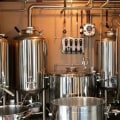
- Commercial Brewing: For those venturing into commercial brewing, the scale of production necessitates larger and more sophisticated equipment. This may include industrial-sized kettles, automated systems for temperature control, and advanced filtration systems to ensure product consistency.
Assessing Brewing Styles
Your choice of brewing style also plays a crucial role in determining the right equipment. Different styles may require specific tools:
- Ales: Generally require less complex equipment and can be brewed with basic fermentation vessels.
- Lagers: Often need temperature-controlled fermentation systems due to their longer fermentation times.
- Specialty Brews: If you’re interested in creating unique flavors or experimenting with ingredients, consider investing in additional equipment like spice infusers or barrel-aging kits.
Take the time to evaluate your goals, whether you aim to brew for personal enjoyment or to launch a commercial venture. This assessment will guide you in making informed decisions that align with your brewing aspirations.
Essential Brewing Equipment for Beginners
Starting your brewing journey can be both exciting and daunting. To help you navigate this new hobby, we’ve compiled a list of essential brewing equipment that every beginner should consider. Investing in the right brewing equipment supply will set you up for success and enhance your brewing experience.- Brew Kettle: A good quality brew kettle is fundamental.
Look for one that holds at least 5 gallons, as this will allow you to brew a variety of beer styles.
- Fermenter: A fermenter is where the magic happens. Choose a food-grade plastic bucket or glass carboy with an airlock to monitor fermentation.
- Sanitizer: Cleanliness is crucial in brewing. Invest in a no-rinse sanitizer to ensure all your equipment is free from contaminants.
- Hydrometer: This tool measures the specific gravity of your brew, helping you determine the alcohol content and fermentation progress.
- Bottling Equipment: You’ll need bottles, caps, and a capper to package your beer. Consider using a bottling bucket with a spigot for easier filling.
- Starter Kits: For those who want a hassle-free entry into brewing, many suppliers offer starter kits that include all the essential tools and ingredients needed for your first batch.
It’s better to invest in a few reliable tools than to have a plethora of low-quality items that may hinder your brewing process. As you gain experience, you can expand your collection with more specialized equipment tailored to your brewing style.By equipping yourself with these essential tools, you’ll be well on your way to creating delicious home brews that you can share with friends and family. Happy brewing!
Advanced Brewing Equipment for Enthusiasts
For seasoned brewers looking to elevate their craft, investing in advanced brewing equipment can significantly enhance the brewing process. Here are some top recommendations for specialty tools and homebrew upgrades that can take your brewing to the next level.- All-in-One Brewing Systems: These systems combine multiple brewing processes into one unit, allowing for greater efficiency and consistency.
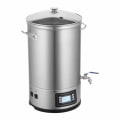
Brands like Grainfather and Anvil offer excellent options that simplify the all-grain brewing process.
- Temperature Control Systems: Maintaining precise temperatures is crucial for fermentation. Consider investing in a temperature controller or a dedicated fermentation chamber. Products like the Inkbird ITC-308 provide reliable temperature regulation.
- Quality Kettles: Upgrading to a high-quality brew kettle, such as those made from stainless steel with a built-in thermometer and ball valve, can improve your brewing efficiency. Look for brands like Blichmann or Spike Brewing.
- Advanced Filtration Systems: To achieve clarity in your beer, consider using a plate chiller or a counterflow chiller.
These tools not only cool your wort quickly but also help in achieving better clarity by reducing sediment.
- Brew Kettle Accessories: Adding accessories like a hop spider, which contains hops during the boil, can enhance flavor without the hassle of dealing with hop debris later on.
- Kegging Systems: Transitioning from bottles to kegs can streamline your process. A complete kegging system with CO2 tank, regulator, and kegs allows for easier storage and serving of your homebrew.
Commercial Brewing Equipment Options
When considering commercial brewing equipment, it’s essential to evaluate your specific production needs and the scale at which you plan to operate. The right equipment can significantly impact both the quality of your product and the efficiency of your brewery setup.For large scale brewing, you will need to invest in several key pieces of equipment:- Brew Kettle: This is where the wort is boiled and hops are added.
A larger kettle allows for bigger batches, which is crucial for meeting high demand.
- Fermentation Tanks: These tanks are vital for the fermentation process. Consider purchasing multiple tanks to allow for staggered brewing schedules and to maintain a continuous supply of beer.
- Cooling System: Efficient cooling systems are necessary to quickly bring down the temperature of the wort after boiling, preventing unwanted bacteria growth.
- Bottling and Packaging Equipment: As production scales, so does the need for efficient bottling lines. Automated systems can save time and reduce labor costs.
- Space Requirements: Ensure that your facility has enough space not only for the equipment but also for future expansion.
- Utility Access: Check that you have adequate water, electricity, and drainage systems in place to support your brewing operations.
- Compliance with Regulations: Familiarize yourself with local health and safety regulations that may affect your equipment choices and brewery layout.
Sourcing Quality Brewing Equipment Supply
When it comes to sourcing quality brewing equipment supply, understanding where to buy is crucial for both novice and experienced brewers.The decision often boils down to choosing between online suppliers and local stores, each offering unique advantages.
Online Suppliers
Online retailers have become increasingly popular due to their vast selection and convenience. Here are some benefits of purchasing brewing equipment online:- Wider Selection: Online stores often carry a broader range of products, from basic kits to advanced brewing systems.
- Competitive Pricing: Many online suppliers offer competitive prices and frequent discounts, making it easier to find deals.
- User Reviews: Online platforms allow you to read customer reviews, helping you make informed decisions based on real experiences.
Local Stores
While online shopping has its perks, local brewing supply stores provide distinct advantages that can enhance your purchasing experience:- Personalized Service: Local shops often have knowledgeable staff who can provide tailored advice and recommendations based on your specific needs.
- Immediate Availability: You can take your equipment home the same day, avoiding shipping delays.
- Community Engagement: Shopping locally supports small businesses and fosters a sense of community among fellow brewers.
Reputable Suppliers
No matter where you choose to shop, it's essential to select reputable suppliers. Look for brands known for their quality and reliability. Some well-regarded names in the brewing equipment industry include:- Blichmann Engineering: Renowned for their innovative designs and high-quality materials.
- Speer Brewing: Offers a range of products suitable for both beginners and advanced brewers.
- Kegco: Specializes in kegerators and draft beer systems, known for durability and performance.
Take the time to research and compare options to find the best fit for your brewing journey.
Maintenance and Care for Brewing Equipment
Maintaining your brewing equipment is crucial for ensuring its longevity and optimal performance. Regular care not only enhances the quality of your brews but also saves you money in the long run by preventing costly repairs or replacements.Cleaning Tips
One of the most important aspects of brewing equipment maintenance is cleaning. Here are some essential tips:- Daily Cleaning: After each brewing session, rinse all components with hot water to remove any residue. This includes kettles, fermenters, and hoses.
- Deep Cleaning: Perform a thorough cleaning at least once a month.
Use a specialized brewing cleaner to eliminate any buildup of yeast or hops.
- Sanitization: Always sanitize your equipment before and after use. This prevents contamination and ensures the best flavor in your brews.
Prolonging Equipment Life
To extend the life of your brewing equipment supply, consider the following practices:- Proper Storage: Store your equipment in a cool, dry place away from direct sunlight. This helps prevent degradation of materials.
- Regular Inspections: Check for any signs of wear and tear, such as cracks or leaks. Addressing these issues early can prevent more significant problems later.
- Use Quality Materials: Invest in high-quality brewing supplies that are designed to withstand regular use.
Cheaper materials may save you money initially but can lead to more frequent replacements.
Frequently Asked Questions about Brewing Equipment Supply
When it comes to brewing equipment supply, many enthusiasts have questions that can help them optimize their brewing experience. Here are some frequently asked questions:What types of brewing equipment do I need to get started?
For beginners, the essential brewing equipment includes:- Brew kettle: A large pot for boiling your ingredients.
- Fermenter: A container where your brew will ferment, often with an airlock.
- Sanitizer: To keep your equipment clean and free from unwanted bacteria.
- Bottling supplies: Bottles, caps, and a capper for packaging your finished product.
How do I troubleshoot common brewing issues?
If you encounter problems during the brewing process, consider these common issues:- Off-flavors: Often caused by poor sanitation or fermentation temperature. Ensure all equipment is sanitized and monitor fermentation closely.
- Low carbonation: This can happen if there isn’t enough sugar added before bottling. Check your priming sugar calculations.
- Stuck fermentation: If fermentation seems to have stopped, check the temperature and consider gently stirring the brew to reintroduce yeast into suspension.
Where can I find reliable brewing equipment supply?
Look for local homebrew shops or reputable online retailers that specialize in brewing supplies.Reading reviews and seeking recommendations from fellow brewers can also guide you to quality suppliers.By addressing these common questions, you can enhance your understanding of brewing equipment supply and improve your brewing outcomes.
Conclusion: Making Informed Choices in Brewing Equipment Supply
In conclusion, selecting the right brewing equipment supply is crucial for achieving the best results in your brewing endeavors. Whether you are a novice or an experienced brewer, understanding your specific needs will guide you in making informed choices.Throughout this article, we have explored various types of brewing equipment tailored to different brewing styles and preferences. Here are some key takeaways to consider:- Assess Your Brewing Style: Determine whether you prefer homebrewing beer, coffee, or tea, as each requires specialized equipment.
- Consider Your Space: Evaluate the available space in your kitchen or brewing area. Compact equipment may be necessary for smaller spaces.
- Budget Wisely: Set a budget that reflects your commitment to brewing.
Quality equipment can be an investment but will pay off in the long run.
- Research Brands and Reviews: Look for reputable brands and read customer reviews to ensure you are purchasing reliable equipment.
- Think About Future Growth: If you plan to expand your brewing activities, consider equipment that can grow with you.