When it comes to the art of brewing, whether for personal enjoyment or commercial production, understanding brewing equipment supply is essential. The right equipment not only enhances the brewing process but also significantly impacts the quality of the final product. For both amateur and professional brewers, having a comprehensive grasp of the various components involved in a home brewing setup can make all the difference in achieving that perfect brew. Brewing equipment encompasses a wide range of tools and devices, each serving a specific purpose in the brewing process. From fermentation vessels to heating elements, every component plays a crucial role in transforming raw ingredients into delicious beverages.
As you delve deeper into the world of brewing, you'll discover that understanding these components is vital for troubleshooting issues and optimizing your brewing techniques. This exploration of brewing equipment components will not only provide insights into what each piece does but also how they work together to create a seamless brewing experience. Whether you're looking to upgrade your current setup or just starting out, knowing what to look for in your brewing equipment supply can help you make informed decisions that elevate your brewing game.
Essential Components of Brewing Equipment
When it comes to brewing equipment supply, understanding the essential components of your brewing system is crucial for both novice and experienced brewers. Each part plays a significant role in the brewing process, ensuring that you achieve the desired flavor and quality in your final product.- Mash Tun: This vessel is where the grains are mixed with hot water to convert starches into fermentable sugars. The temperature and duration of this process are critical for flavor development.
- Boil Kettle: After mashing, the wort is transferred to the boil kettle, where it is brought to a boil.
This step is essential for sterilization and for adding hops, which contribute bitterness and aroma.
- Fermentation Vessel: Once boiling is complete, the wort is cooled and transferred to a fermentation vessel. This is where yeast is added, and fermentation occurs, transforming sugars into alcohol and carbon dioxide.
- Heat Exchanger: A heat exchanger is used to cool the wort quickly after boiling. Rapid cooling helps prevent contamination and allows for a more efficient fermentation process.
- Bottling/Kegging Equipment: After fermentation, brewers need equipment to package their beer. This includes bottling machines or kegging systems that ensure minimal exposure to oxygen during transfer.
- Pumps: Used for transferring liquids between vessels, pumps help maintain efficiency and reduce manual labor.
- Temperature Control Systems: Maintaining the right temperature during mashing and fermentation is vital.
These systems help regulate heat levels automatically.
- Cleaning Equipment: Proper sanitation is key in brewing. Cleaning tools like brushes, hoses, and sanitizers ensure that all equipment remains free from contaminants.
Brewing Kettles: The Heart of Your Setup
When it comes to brewing equipment supply, the brewing kettle is often considered the heart of your setup. This essential piece of equipment plays a crucial role in the brewing process, influencing everything from flavor extraction to temperature control.Understanding the different types of brewing kettles and their materials can help you make an informed decision for your brewing needs.
Types of Brewing Kettles
- Standard Brew Kettles: These are typically made from stainless steel and come in various sizes, making them suitable for both beginners and experienced brewers. They often feature a flat bottom for even heat distribution.
- Electric Brew Kettles: Ideal for those who prefer a more automated approach, electric kettles offer precise temperature control and are easy to use. They are perfect for homebrewers who want to simplify their process.
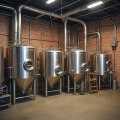
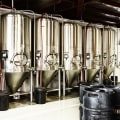
- Conical Brew Kettles: These kettles have a conical shape that allows for better sediment separation during fermentation. They are often used by advanced brewers looking to enhance the clarity and quality of their beer.
- Multi-Purpose Kettles: Some kettles come with additional features like built-in thermometers or false bottoms, making them versatile for various brewing techniques.
Kettle Materials
The material of your brewing kettle can significantly impact the brewing process:- Stainless Steel: The most common material, stainless steel is durable, resistant to rust, and easy to clean.
It also provides excellent heat conduction.
- Copper: Known for its superior heat conductivity, copper kettles can help achieve precise temperature control. However, they require more maintenance to prevent tarnishing.
- Aluminum: Lightweight and affordable, aluminum kettles heat up quickly but may not be as durable as stainless steel or copper options.
Fermentation Vessels: Where Magic Happens
When it comes to brewing, fermentation vessels play a crucial role in determining the final flavor and quality of the beer. These containers are where the magic truly happens, as yeast transforms sugars into alcohol and carbon dioxide, creating the beloved beverage we enjoy.Understanding the different types of fermentation containers can help brewers make informed decisions about their brewing equipment supply.
Types of Fermentation Containers
- Carboys: Typically made of glass or plastic, carboys are popular among homebrewers. Their narrow necks minimize exposure to oxygen, which is essential for preventing oxidation during fermentation.
- Fermentation Buckets: These are often made from food-grade plastic and come with a lid and airlock. They are easy to clean and allow for larger batches, making them ideal for both beginners and experienced brewers.
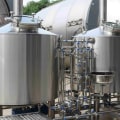
- Stainless Steel Fermenters: Known for their durability and ease of cleaning, stainless steel fermenters are favored by many professional brewers. They can maintain consistent temperatures and are less prone to scratches that harbor bacteria.
- Open Fermenters: Used primarily in traditional brewing methods, open fermenters allow for natural yeast exposure from the environment.
This method can impart unique flavors but requires careful monitoring to avoid contamination.
By understanding the various options available in your brewing equipment supply, you can enhance your brewing experience and produce high-quality beer that reflects your unique style.
Cooling Systems: Essential for Quality Control
In the brewing process, cooling systems play a crucial role in ensuring the quality and safety of the final product. After boiling the wort, it is essential to cool it down quickly to prevent contamination and to maintain the desired flavor profile. There are several types of cooling systems used in brewing, each with its own advantages and applications.Types of Cooling Systems
- Wort Chillers: These are among the most common cooling systems used in home and commercial brewing. Wort chillers come in two main types: immersion chillers and counterflow chillers.
Immersion chillers consist of a coiled copper or stainless steel tube that is submerged in the hot wort. Cold water is circulated through the coil, rapidly cooling the wort as it passes through.
- Counterflow Chillers: This system uses a heat exchanger where hot wort flows through a pipe that runs parallel to a pipe carrying cold water. The two fluids flow in opposite directions, allowing for efficient heat transfer and rapid cooling.
- Plate Chillers: Similar to counterflow chillers, plate chillers use a series of plates to create a large surface area for heat exchange. They are compact and highly efficient, making them popular in commercial brewing setups.
Importance of Cooling Methods
The choice of cooling method can significantly impact the brewing process.Rapid cooling helps to:
- Prevent Contamination: By cooling the wort quickly, brewers can minimize the time it remains at temperatures conducive to bacterial growth.
- Preserve Flavor Compounds: Quick cooling helps retain volatile aroma compounds that contribute to the beer's flavor profile.
- Improve Yeast Health: Cooling the wort to an appropriate fermentation temperature ensures that yeast can thrive, leading to a more consistent fermentation process.
Bottling and Kegging Equipment: Final Steps to Enjoyment
When it comes to bottling and kegging, the right equipment is essential for preserving the quality and flavor of your beer. Each method has its own set of tools and techniques that can significantly impact the final product.Bottling Equipment
Bottling is a traditional method that many homebrewers and craft breweries still prefer. The key components of bottling equipment include:- Bottle Filler: A device that allows you to fill bottles without introducing excess oxygen, which can spoil your beer.
- Capping Machine: Ensures that caps are securely fastened to prevent contamination and carbonation loss.
- Sanitizing Equipment: Essential for cleaning bottles before filling to eliminate any unwanted bacteria.
- Labels and Labeling Machines: For branding your beer and providing essential information to consumers.
Kegging Systems
Kegging offers a more efficient way to package beer, especially for larger batches.The main components of a kegging system include:
- Kegs: Stainless steel containers that hold your beer under pressure, maintaining carbonation and freshness.
- CO2 Tank: Provides the necessary pressure to push the beer from the keg to the tap.
- Regulator: Controls the pressure of CO2 entering the keg, ensuring optimal carbonation levels.
- Taps and Faucets: Allow for easy dispensing of beer while maintaining hygiene and preventing oxidation.
Additional Accessories: Enhancing Your Brewing Experience
When it comes to brewing equipment supply, the right accessories can significantly enhance your brewing experience. These additional tools not only streamline the process but also improve the quality of your final product.Here’s a breakdown of some must-have brewing gadgets that every enthusiast should consider.
- Measuring Tools: Accurate measurements are crucial in brewing. Invest in a good set of measuring cups and spoons, as well as a digital scale for precise ingredient ratios.
- Thermometers: Temperature control is vital for brewing success. A reliable thermometer helps you monitor the temperature of your water and mash, ensuring optimal extraction of flavors.
- Hydrometers: This tool measures the specific gravity of your brew, allowing you to track fermentation progress and calculate alcohol content.
- Cleaning Supplies: Maintaining cleanliness is essential in brewing. Use specialized cleaning agents and brushes to keep your equipment free from residues and contaminants.
- Bottling Equipment: A bottling wand and capper make transferring your brew into bottles easier and more efficient, reducing the risk of spills and oxidation.
- Fermentation Locks: These devices allow gases to escape during fermentation while preventing outside air from entering, which is crucial for maintaining a healthy brewing environment.
Each accessory plays a role in enhancing not just the efficiency of your brewing process but also the overall quality of your beer.Ultimately, having the right brewing accessories can transform your home brewing experience from ordinary to extraordinary. Whether you're a novice or an experienced brewer, these tools will help you achieve better results and enjoy the craft even more.
Common FAQs About Brewing Equipment Supply
When it comes to brewing equipment supply, many enthusiasts have questions that can help them make informed decisions. Here are some of the most common queries:What are the essential components of brewing equipment?
The basic components of brewing equipment typically include:- Brewing kettle: This is where the wort is boiled and hops are added.
- Fermenter: A vessel where yeast converts sugars into alcohol and carbon dioxide.
- Airlock: A device that allows gases to escape during fermentation while preventing contaminants from entering.
- Bottling equipment: Tools needed for transferring beer into bottles, including a bottling wand and caps.
- Cooling system: Often a wort chiller, which rapidly cools the wort after boiling.
How do I choose the right brewing equipment?
Selecting the right brewing equipment supply depends on several factors:- Your brewing scale: Are you brewing small batches or large quantities?
- Your budget: Determine how much you are willing to invest in your setup.
- Your brewing style: Different styles may require specific equipment, such as all-grain versus extract brewing.
Can I buy used brewing equipment?
Yes, purchasing used brewing equipment can be a cost-effective option. However, ensure that:- The equipment is in good condition and free from any damage.
- You thoroughly clean and sanitize it before use.
What maintenance is required for brewing equipment?
Regular maintenance is crucial for optimal performance.Key maintenance tasks include:
- Cleaning: Always clean your equipment after each use to prevent contamination.
- Sanitizing: Use appropriate sanitizers before each brew to ensure a healthy fermentation environment.
- Inspecting: Regularly check for wear and tear, especially on seals and hoses.
Conclusion: Crafting Your Perfect Brewing Setup
In conclusion, understanding the various components of brewing equipment supply is essential for both novice and experienced brewers alike. Each piece of equipment plays a crucial role in the brewing process, influencing the quality and flavor of the final product.As we have explored, the primary components include:- Brewing Kettle: This is where the magic begins, as it allows you to boil your wort and infuse it with hops.
- Fermentation Vessel: Essential for allowing yeast to convert sugars into alcohol, this vessel must be airtight to prevent contamination.
- Cooling System: Rapid cooling of the wort is vital to prevent unwanted bacteria growth and to prepare it for fermentation.
- Bottling Equipment: Proper bottling ensures that your brew is stored correctly, maintaining its flavor and carbonation.
- Cleaning Supplies: Maintaining cleanliness is paramount in brewing; having the right cleaning supplies will help prevent off-flavors and spoilage.