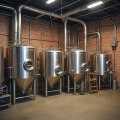
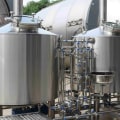
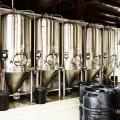
In the world of brewing, brewing equipment supply plays a pivotal role in ensuring that both small craft breweries and large-scale operations can produce high-quality beverages consistently. From kettles and fermenters to bottling lines and filtration systems, the types of brewing equipment available are diverse and tailored to meet the specific needs of different brewing processes. Understanding the various components of brewing equipment is essential for anyone looking to enter or expand within the brewing industry. The significance of reliable brewing equipment cannot be overstated. It not only affects the efficiency of production but also has a direct impact on the flavor and quality of the final product.
For instance, a well-maintained fermentation tank can enhance yeast performance, leading to better flavor profiles in beers. Conversely, outdated or poorly maintained equipment can lead to inconsistencies that may tarnish a brewery's reputation. As we delve deeper into the topic, it becomes clear that maintenance and repair services for brewing equipment are crucial. These services ensure that all components function optimally, reducing downtime and preventing costly production halts. By investing in proper maintenance, breweries can safeguard their investments and maintain the high standards expected by consumers.
The Importance of Regular Maintenance for Brewing Equipment
Regular maintenance of brewing equipment is essential for ensuring optimal performance and longevity.Just like any other machinery, brewing equipment requires consistent upkeep to function efficiently and produce high-quality products. Neglecting maintenance can lead to a range of issues that not only affect the equipment itself but also the final product.
Benefits of Regular Maintenance
- Improved Efficiency: Well-maintained brewing equipment operates more efficiently, reducing energy consumption and operational costs. Regular checks can identify potential problems before they escalate, ensuring that the brewing process remains smooth and uninterrupted.
- Extended Equipment Lifespan: Just like any investment, taking care of your brewing equipment can significantly extend its lifespan. Routine maintenance helps prevent wear and tear, allowing you to get the most out of your equipment over time.
- Enhanced Product Quality: The quality of your brew is directly linked to the condition of your equipment.
Regular cleaning and maintenance help eliminate contaminants and ensure that flavors are preserved, resulting in a superior product that meets customer expectations.
- Compliance with Safety Standards: Brewing equipment must adhere to various safety regulations. Regular maintenance ensures that all components are functioning correctly and safely, reducing the risk of accidents or legal issues.
Common Issues with Brewing Equipment
Brewing equipment is essential for producing high-quality beverages, but like any machinery, it can encounter issues that may disrupt your brewing process. Recognizing these common brewing equipment problems early can save you time and money in repairs.- Temperature Control Issues: One of the most critical aspects of brewing is maintaining the right temperature.
If your thermometer is malfunctioning or your heating element is inconsistent, it can lead to under-extraction or over-extraction of flavors. Regularly check your equipment for accurate readings.
- Leaks: Water leaks can occur in various parts of your brewing system, from hoses to valves. If you notice puddles or damp spots around your equipment, it’s essential to investigate immediately. Leaks not only waste water but can also lead to more significant damage if left unaddressed.
- Clogged Filters: Over time, filters can become clogged with debris and residue from the brewing process.
This can restrict flow and affect the quality of your brew. Regular cleaning and maintenance of filters are crucial to ensure optimal performance.
- Pump Failures: If your pump is making unusual noises or not functioning at all, it could be a sign of wear and tear. Listen for any irregular sounds and check for proper operation during each brewing cycle.
- Electrical Issues: Brewing equipment often relies on electrical components that can fail due to wear or power surges. Look for signs such as flickering lights or tripped breakers, which may indicate underlying electrical problems.
Keeping an eye out for signs of malfunction, such as unusual noises, leaks, or inconsistent temperatures, will help you address problems before they escalate into costly repairs.By being proactive about maintenance and understanding the typical challenges associated with brewing equipment, you can ensure a smoother brewing process and maintain the quality of your products.
Maintenance Services Offered for Brewing Equipment
Maintaining brewing equipment is crucial for ensuring optimal performance and longevity. Various maintenance services are available to keep your brewing systems running smoothly, each tailored to address specific needs.- Routine Inspections: Regular inspections help identify potential issues before they escalate. This includes checking for leaks, wear and tear, and ensuring all components are functioning correctly.
- Cleaning Services: Proper cleaning of brewing equipment is essential to prevent contamination and maintain product quality. This service typically involves deep cleaning of fermenters, kettles, and other contact surfaces using food-safe cleaning agents.
- Calibration and Testing: Ensuring that your brewing equipment is calibrated correctly is vital for consistency in production.
This service includes testing temperature controls, pressure gauges, and flow meters to ensure they are operating within specified parameters.
- Repairs: When equipment malfunctions, timely repairs are necessary to minimize downtime. Professional technicians can diagnose issues and perform repairs on-site or at a dedicated facility.
- Upgrades and Modifications: As technology advances, upgrading your brewing equipment can enhance efficiency and output. Maintenance services often include recommendations for upgrades that align with your brewing goals.
By investing in these maintenance services, you can enhance the reliability of your brewing operations and ultimately improve the quality of your products.
Repair Services for Brewing Equipment: What You Need to Know
When it comes to brewing equipment repair services, understanding when to seek professional help is crucial for maintaining the quality and efficiency of your brewing operations. Regular maintenance can prevent many issues, but even the best equipment may require repairs from time to time.When to Seek Repair
- Unusual Noises: If your brewing equipment starts making strange sounds, it could indicate a mechanical issue that needs immediate attention.
- Decreased Performance: A noticeable drop in brewing efficiency or output is a clear sign that something may be wrong.
- Visible Damage: Cracks, leaks, or corrosion on any part of your equipment should prompt a professional evaluation.
- Error Messages: If your digital brewing system displays error codes, consult a technician to diagnose the problem.
Cost of Repairs
The cost of repairing brewing equipment can vary widely based on several factors:
- Type of Equipment: Different types of brewing systems (e.g., kettles, fermenters) have varying repair costs due to their complexity.
- Extent of Damage: Minor repairs may be relatively inexpensive, while major overhauls can be costly.
- Labor Costs: The rates charged by technicians can differ based on their expertise and your location.
- Parts Replacement: The need for new parts can significantly increase repair costs, especially if they are specialized or hard to find.
DIY Maintenance Tips for Home Brewers
Maintaining your brewing equipment is essential for producing high-quality beer and extending the lifespan of your gear. Here are some DIY maintenance tips that every home brewer should consider:- Regular Cleaning: After each brew session, ensure that all equipment, including fermenters, kettles, and bottles, are thoroughly cleaned.
Use a mixture of hot water and a mild detergent to scrub away any residue. Rinse well to avoid any soap taste in your beer.
- Sanitization: Always sanitize your equipment before use. A solution of Star San or similar no-rinse sanitizer is ideal for this purpose. This step is crucial to prevent contamination and off-flavors in your brew.
- Inspect Seals and Gaskets: Regularly check the seals and gaskets on your fermenters and kegs for wear and tear.
Replace any damaged parts to maintain a proper seal, which is vital for fermentation.
- Check for Leaks: Periodically inspect your brewing system for leaks, especially around connections and valves. Addressing leaks promptly can save you from larger issues down the line.
- Calibrate Your Thermometer: Accurate temperature readings are crucial in brewing. Regularly check the calibration of your thermometer against a known standard to ensure precision.
- Maintain Your Brew Kettle: After each use, clean the inside of your brew kettle to prevent buildup. Consider using a non-abrasive cleaner to avoid scratching the surface.
Remember, a little effort in maintenance goes a long way in enhancing your brewing experience!
Choosing the Right Brewing Equipment Supply Company
When it comes to selecting a brewing equipment supply company, especially one that offers maintenance and repair services, there are several key factors to consider. Making the right choice can significantly impact your brewing operations and overall efficiency.- Experience and Reputation: Look for suppliers with a proven track record in the industry. Research their history, read customer reviews, and ask for references. A reputable supplier will have positive feedback from other brewers.
- Range of Products: Ensure that the supplier offers a comprehensive selection of brewing equipment.
This includes everything from kettles and fermenters to pumps and filtration systems. A diverse inventory allows you to source all your needs from one place.
- Maintenance and Repair Services: Confirm that the supplier provides reliable maintenance and repair services. Inquire about their response times, service plans, and whether they have qualified technicians on staff. Quick access to repairs can minimize downtime in your brewing process.
- Customer Support: Excellent customer service is crucial.
Choose a supplier that is responsive to inquiries and provides ongoing support after the sale. This can include troubleshooting assistance and guidance on equipment usage.
- Pricing and Payment Options: While cost shouldn’t be the only factor, it’s important to find a supplier that offers competitive pricing without compromising quality. Additionally, check if they provide flexible payment options or financing plans.
Frequently Asked Questions about Brewing Equipment Maintenance and Repair
When it comes to brewing equipment maintenance and repair, many brewers have questions about the best practices and services available. Here are some frequently asked questions that can help clarify your concerns:- What types of maintenance are necessary for brewing equipment?
Regular maintenance is crucial for ensuring the longevity and efficiency of your brewing equipment.This includes:
- Cleaning and sanitizing all components to prevent contamination.
- Inspecting seals and gaskets for wear and tear.
- Calibrating temperature and pressure gauges to ensure accurate readings.
- Checking for leaks in hoses and connections.
- How often should I perform maintenance on my brewing equipment?
The frequency of maintenance depends on the type of equipment and how often it is used. Generally, a thorough inspection should be conducted: - After every brew session for minor checks.
- Monthly for more detailed inspections.
- Annually for comprehensive servicing by professionals.
- Can I perform repairs myself, or should I hire a professional?
While some minor repairs can be handled by experienced brewers, such as replacing a faulty valve or cleaning a clogged line, it is advisable to hire a professional for complex issues. This ensures that repairs are done correctly and safely, minimizing the risk of further damage.
- What should I look for in a brewing equipment repair service?
When selecting a repair service, consider the following: - Experience with specific types of brewing equipment.
- A good reputation within the brewing community.
- Availability of emergency services in case of urgent repairs.
- Transparent pricing and detailed service agreements.
Conclusion: Ensuring Longevity and Quality in Your Brewing Equipment
In conclusion, the longevity and quality of your brewing equipment are paramount to the success of your brewing operations.Regular maintenance and timely repairs not only enhance the performance of your equipment but also ensure that your brews maintain their intended flavor profiles and quality.Investing in professional repair services is essential. These services provide expert insights that can help identify potential issues before they escalate into costly problems. Here are some key takeaways:
- Regular Maintenance: Schedule routine check-ups to clean and inspect your brewing equipment. This helps in preventing unexpected breakdowns and extends the lifespan of your machinery.
- Professional Expertise: Rely on trained technicians who understand the intricacies of brewing equipment.
Their expertise can lead to more effective repairs and maintenance strategies.
- Quality Assurance: Well-maintained equipment ensures that every batch of beer meets quality standards, which is crucial for customer satisfaction and brand reputation.
- Cost Efficiency: Preventative maintenance can save you money in the long run by avoiding major repairs and downtime.