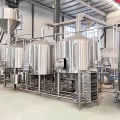
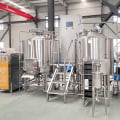
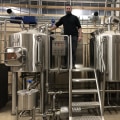
In the world of brewing, brewing equipment supply plays a pivotal role in determining the quality and efficiency of the final product. Whether you are a homebrewer experimenting with small batches or a commercial brewery scaling up production, understanding the various types of brewing equipment available is essential. From fermentation tanks to bottling lines, each piece of equipment serves a specific purpose and contributes to the overall brewing process. Brewing equipment encompasses a wide range of tools and machinery, including mash tuns, kettles, and cooling systems. Each type of brewing equipment is designed to facilitate different stages of the brewing process, ensuring that brewers can create their desired flavors and aromas.
As the craft beer industry continues to grow, so does the demand for high-quality brewing supplies that meet both operational needs and regulatory standards. However, with this demand comes the necessity to navigate various regulations and requirements associated with purchasing and using brewing equipment. Understanding these regulations is crucial for both aspiring brewers and established businesses alike. Compliance not only ensures safety but also enhances the credibility of your brewing operation in a competitive market. In the following sections, we will delve deeper into these regulations and what you need to consider when sourcing your brewing equipment supply.
Legal Requirements for Purchasing Brewing Equipment
When it comes to purchasing brewing equipment, understanding the legal requirements is crucial for both individuals and businesses.The regulations can vary significantly depending on your location, so it’s essential to familiarize yourself with local, state, and federal laws.
Licenses and Permits
- Federal Brewer's Notice: If you plan to produce beer for commercial sale, you must obtain a Brewer's Notice from the Alcohol and Tobacco Tax and Trade Bureau (TTB). This process involves submitting detailed information about your brewing operations.
- State Licenses: Each state has its own licensing requirements. You may need a state-level alcohol manufacturing license, which often requires a background check and proof of compliance with local zoning laws.
- Local Permits: Depending on your municipality, you might need additional permits related to health and safety regulations, especially if you plan to operate a taproom or sell directly to consumers.
Compliance with Health and Safety Standards
In addition to obtaining the necessary licenses, it’s vital to comply with health and safety standards. This includes:
- Ensuring that your brewing equipment meets sanitary standards set by local health departments.
- Implementing proper waste disposal methods for brewing byproducts.
- Adhering to fire safety regulations, particularly if you are using gas or other flammable materials in your brewing process.
Zoning Laws
Before purchasing any brewing equipment, check local zoning laws to ensure that your intended use of the property complies with regulations.
Some areas may restrict commercial brewing operations in residential zones or require specific permits for production facilities.
Conclusion
Navigating the legal landscape of purchasing brewing equipment can be complex, but understanding these requirements is essential for a successful brewing venture. Always consult with legal experts or local authorities to ensure compliance with all applicable laws and regulations.
Safety Standards and Regulations
When it comes to brewing equipment supply, understanding the relevant safety standards and regulations is crucial for both home brewers and commercial operations. Compliance with these standards not only ensures the safety of the brewing process but also protects the quality of the final product.Key Safety Standards
- FDA Regulations: The Food and Drug Administration (FDA) sets forth guidelines that must be adhered to when brewing equipment is used for food production. This includes ensuring that materials are food-safe and non-toxic.
- OSHA Compliance: The Occupational Safety and Health Administration (OSHA) provides regulations that focus on workplace safety.
This includes proper ventilation, handling of hazardous materials, and ensuring that equipment is maintained to prevent accidents.
- Local Building Codes: Many states and municipalities have specific building codes that apply to brewing facilities. These codes often dictate the layout, plumbing, and electrical systems necessary for safe operation.
The Importance of Compliance
Adhering to these safety regulations is not just a legal obligation; it also fosters a culture of safety within your brewing operation. Non-compliance can lead to serious consequences, including fines, shutdowns, or even legal action. Moreover, ensuring that your equipment meets safety standards can enhance your brand's reputation among consumers who prioritize quality and safety in their beverage choices.
Best Practices for Ensuring Compliance
- Regular Inspections: Conduct routine checks on all brewing equipment to ensure it meets current safety standards.
- Training Staff: Provide comprehensive training for all employees on safety protocols and emergency procedures related to brewing operations.
- Documentation: Keep detailed records of compliance efforts, including inspections, maintenance logs, and employee training sessions.
By prioritizing compliance, you not only protect your business but also contribute to a safer brewing community.
Local and State Regulations
When it comes to brewing equipment supply, understanding the local and state regulations is crucial for both amateur and professional brewers. These regulations can vary significantly depending on your location, impacting everything from the types of equipment you can purchase to how you can use it.Local Regulations
- Many municipalities have specific ordinances that govern the use of brewing equipment. For instance, some cities may require permits for home brewing or restrict the amount of alcohol that can be produced.
- Noise ordinances may also apply, especially if your brewing process involves loud machinery or equipment.
- Health and safety codes can dictate how and where you can brew, particularly if you plan to sell your product.
State Laws
- Each state has its own set of laws regarding the production and sale of alcoholic beverages. Some states allow home brewing without a license, while others require brewers to obtain specific licenses.
- State regulations may also dictate the types of ingredients you can use and how they must be sourced.
- Additionally, there are often age restrictions on who can purchase brewing equipment, which varies by state.
Regional Brewing Regulations
- In some regions, there are additional regulations that may affect your brewing operations.
For example, certain areas may have stricter environmental regulations that impact waste disposal from brewing processes.
- Understanding regional differences is essential for compliance and can help avoid potential legal issues down the line.
Environmental Considerations in Brewing Equipment Use
When considering brewing equipment supply, it is essential to address the environmental regulations that govern the brewing industry. Compliance with these regulations not only ensures legal operation but also promotes sustainable practices that can significantly reduce the environmental impact of brewing.Understanding Environmental Regulations
- Waste Management: Breweries must adhere to local and federal waste management regulations, which dictate how to handle and dispose of brewing byproducts. This includes spent grains, hops, and yeast, which can often be repurposed for animal feed or composting.
- Water Usage: Water is a critical resource in brewing.
Regulations may require breweries to implement water conservation measures, such as recycling water used in the brewing process or utilizing rainwater harvesting systems.
- Emissions Control: Many states have specific guidelines regarding emissions from brewing operations. This includes controlling volatile organic compounds (VOCs) released during fermentation and ensuring proper ventilation systems are in place.
Sustainable Brewing Practices
In addition to regulatory compliance, adopting sustainable brewing practices can enhance a brewery's reputation and appeal to environmentally conscious consumers. Here are some effective strategies:
- Energy Efficiency: Investing in energy-efficient brewing equipment can significantly reduce energy consumption. Consider using solar panels or wind energy to power operations.
- Eco-Friendly Ingredients: Sourcing organic and locally grown ingredients minimizes transportation emissions and supports sustainable agriculture.
- Packaging Innovations: Utilizing recyclable or biodegradable packaging materials can help reduce waste and appeal to eco-conscious customers.
The Importance of Eco-Friendly Brewing Supply
Choosing an eco-friendly brewing supply not only aligns with environmental regulations but also fosters a culture of sustainability within the brewing community.
By prioritizing suppliers who share a commitment to environmental stewardship, breweries can contribute to a more sustainable future while enhancing their brand image.In conclusion, understanding and implementing environmental considerations in the use of brewing equipment is crucial for compliance and sustainability. By focusing on responsible practices, breweries can thrive while minimizing their ecological footprint.
Insurance and Liability Issues
When investing in brewing equipment supply, understanding the insurance and liability landscape is crucial for protecting your brewery investment. The brewing industry is subject to various risks, from equipment malfunctions to potential injuries on-site, making adequate insurance coverage essential.Types of Insurance for Breweries
- General Liability Insurance: This is fundamental for any brewery, covering claims related to bodily injury or property damage that may occur on your premises.
- Property Insurance: Protects your brewing equipment and inventory against risks such as fire, theft, or natural disasters.
- Product Liability Insurance: Essential for breweries, this coverage protects against claims arising from the consumption of your products, including any adverse health effects.
- Workers' Compensation Insurance: If you have employees, this insurance is necessary to cover medical expenses and lost wages due to work-related injuries.
Understanding Liability Issues
Liability issues can arise from various aspects of running a brewery.For instance, if a customer gets injured on your premises or if a product causes harm, you could face significant legal challenges. To mitigate these risks:
- Implement Safety Protocols: Regularly train staff on safety measures and ensure that all equipment is maintained properly.
- Document Everything: Keep detailed records of all safety inspections, employee training sessions, and customer interactions to provide evidence in case of disputes.
- Consult with Legal Experts: Engaging with a lawyer who specializes in brewing law can help you navigate complex regulations and liability issues.
Frequently Asked Questions about Brewing Equipment Regulations
When it comes to purchasing and using brewing equipment, many enthusiasts and professionals have questions regarding the regulations and requirements that may apply. Here are some frequently asked questions that can help clarify these concerns.What are the general regulations for home brewing?
In the United States, home brewing is generally legal, but regulations can vary by state.Most states allow individuals to brew a limited amount of beer for personal use without a license. However, it’s essential to check your local laws to ensure compliance.
Do I need a license to sell brewed beverages?
If you plan to sell your brewed beverages, you will need to obtain the appropriate licenses and permits. This typically includes federal permits from the Alcohol and Tobacco Tax and Trade Bureau (TTB) as well as state and local licenses. The requirements can be complex, so consulting with a legal expert in alcohol regulations is advisable.Are there specific safety standards for brewing equipment?
Yes, brewing equipment must meet certain safety standards to ensure safe operation.Equipment should be made from food-grade materials and comply with health department regulations. Additionally, if you are using electrical components, they should meet local electrical codes.
What should I consider when purchasing brewing equipment?
- Quality: Invest in high-quality equipment that meets industry standards.
- Size: Consider the scale of your brewing operation; larger systems may require additional permits.
- Supplier Reputation: Purchase from reputable brewing equipment supply companies that provide warranties and support.
Can I use my brewing equipment for other purposes?
While it’s possible to use brewing equipment for other food or beverage production, it’s crucial to ensure that all equipment is thoroughly cleaned and sanitized between uses to avoid contamination. Additionally, check if there are any specific regulations regarding cross-use in your area.If you have more questions about brewing equipment regulations, consider reaching out to local brewing associations or regulatory bodies for guidance tailored to your specific situation.Conclusion: Key Takeaways on Brewing Equipment Supply Regulations
In conclusion, understanding the regulations surrounding brewing equipment supply is crucial for both amateur and professional brewers. As we have discussed, various factors can influence the legal landscape, including local, state, and federal laws.Key Takeaways:
- Licensing Requirements: Before purchasing brewing equipment, ensure you are aware of any necessary licenses or permits required in your area.
This may include a brewing license or a business permit.
- Health and Safety Regulations: Compliance with health and safety standards is essential. This includes ensuring that your equipment meets sanitation requirements to avoid contamination.
- Zoning Laws: Check local zoning laws to confirm that your brewing activities are permitted in your chosen location. Some areas may have restrictions on commercial brewing operations.
- Equipment Specifications: Different types of brewing equipment may have specific regulations regarding their construction and use. Familiarize yourself with these specifications to ensure compliance.
- Environmental Regulations: Be aware of any environmental regulations that may apply to your brewing process, especially if you are discharging waste or using significant amounts of water.
Always consult with local authorities or legal experts if you are uncertain about any requirements related to brewing equipment supply. This proactive approach will not only safeguard your investment but also enhance the quality and safety of your brewing process.