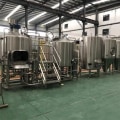
In the world of brewing, the efficiency and quality of your operations heavily rely on the brewing equipment supply. This encompasses not only the initial purchase of brewing systems but also the ongoing availability of spare parts necessary for maintenance and repairs. Understanding this supply chain is crucial for any brewer, whether you are a home enthusiast or managing a large-scale brewery. Without access to the right components, even the most sophisticated brewing equipment can become inoperable, leading to costly downtime and potential loss of product quality. Maintaining your brewing equipment is not just about routine cleaning and care; it also involves being prepared for unexpected failures.
Having a reliable source for spare parts ensures that you can quickly address any issues that arise, keeping your brewing process smooth and uninterrupted. This is where the significance of a well-established brewing equipment supply network comes into play. It allows brewers to source high-quality components that meet their specific needs, ensuring that their equipment operates at peak performance. Moreover, understanding the nuances of brewing equipment maintenance can save you time and money in the long run. By familiarizing yourself with common spare parts and their functions, you can proactively manage your inventory and avoid last-minute scrambles when something goes wrong.
This proactive approach not only enhances your brewing efficiency but also contributes to the overall quality of your beer, making it essential for any serious brewer to prioritize their brewing equipment supply.
Identifying Your Brewing Equipment Needs
When it comes to maintaining your brewing equipment, the first step is to identify your specific needs. Understanding the types of brewing equipment you have and their respective maintenance requirements is crucial for ensuring optimal performance and longevity.Types of Brewing Equipment
- Brewing Kettles: These are essential for boiling your wort. Check for any signs of wear or damage, especially around the heating elements.
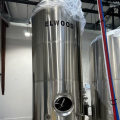
- Fermenters: Inspect seals and valves for leaks. A compromised fermenter can lead to contamination.
- Pumps: Ensure that pumps are functioning correctly, as they are vital for transferring liquids between stages.
- Cooling Systems: Look for any blockages or corrosion that could affect cooling efficiency.
This can include:
- Gaskets and seals
- Heating elements
- Pump impellers
- Thermometers and pressure gauges
- Regular Inspections: Schedule routine checks to catch potential issues early.
- Documentation: Keep a log of any repairs or replacements made to track the lifespan of parts.
- User Manuals: Refer to the manufacturer's guidelines for specific maintenance recommendations.
Researching Reliable Suppliers
When it comes to maintaining your brewing equipment, sourcing spare parts from reliable brewing equipment suppliers is crucial. The quality of the parts you use can significantly impact the performance and longevity of your equipment. Here are some steps to help you find and evaluate potential suppliers:- Research Online: Start by searching for brewing equipment supply companies online.
Look for suppliers that specialize in the specific type of equipment you own, whether it's for home brewing or commercial operations.
- Check Reviews and Ratings: Once you have a list of potential suppliers, check customer reviews and ratings. Websites like Yelp, Google Reviews, and industry-specific forums can provide insights into the reliability and quality of the suppliers.
- Evaluate Product Range: A good supplier should offer a wide range of spare parts. This not only ensures that you can find what you need but also indicates that the supplier is well-established in the industry.
- Assess Customer Service: Reach out to potential suppliers with questions about their products. A reliable supplier will have knowledgeable staff who can assist you promptly and effectively.
- Request Samples: If possible, request samples of the spare parts you need.
This allows you to assess the quality before making a larger purchase.
- Compare Prices: While price shouldn’t be the only factor, it’s important to compare costs among different suppliers. Ensure that you’re getting a fair deal without compromising on quality.
Placing Your Order: Step-by-Step Process
Ordering spare parts for your brewing equipment can seem daunting, but by following a clear step-by-step process, you can ensure that you get the right components quickly and efficiently. Here’s how to navigate the ordering process:- Identify the Required Parts: Start by determining which parts you need.
Refer to your equipment's manual or consult with your supplier to ensure you have the correct part numbers. This step is crucial as it prevents delays caused by ordering incorrect items.
- Choose a Reliable Supplier: Look for a reputable brewing equipment supply company that specializes in the parts you need. Check reviews and ratings to ensure they have a good track record of customer service and product quality.
- Check Availability: Once you’ve identified your parts, check their availability on the supplier’s website or contact their customer service. Some suppliers may have live inventory updates, which can save you time.
- Add Items to Your Cart: If ordering online, add the required parts to your shopping cart.
Make sure to double-check quantities and specifications before proceeding to checkout.
- Review Your Order: Before finalizing your purchase, review your order carefully. Ensure that all items are correct, including part numbers, quantities, and pricing. This step helps avoid any costly mistakes.
- Select Shipping Options: Choose a shipping method that suits your needs. Consider factors like delivery speed and cost.
Some suppliers may offer expedited shipping for urgent orders.
- Complete Payment: Proceed to payment by entering your billing information. Most suppliers accept various payment methods, including credit cards and PayPal. Ensure that the payment process is secure.
- Confirm Your Order: After payment, you should receive an order confirmation via email. Keep this confirmation for your records as it contains important details about your purchase.
- Track Your Shipment: If available, use the tracking information provided by the supplier to monitor your shipment’s progress until it arrives at your location.
Understanding Shipping and Delivery Options
When ordering spare parts for your brewing equipment, understanding the shipping and delivery options is crucial to ensure that you receive your items promptly and in good condition.Different suppliers offer various shipping methods, each with its own advantages and considerations.
Shipping Options for Brewing Parts
Most suppliers provide a range of shipping options, including:- Standard Shipping: This is typically the most economical choice, but it may take longer for your parts to arrive. Delivery times can range from 5 to 10 business days, depending on your location.
- Expedited Shipping: If you need your parts quickly, expedited shipping is a great option. This method usually guarantees delivery within 2 to 3 business days, but it comes at a higher cost.
- Same-Day Delivery: Some local suppliers may offer same-day delivery for urgent orders. This option is ideal for those who need immediate replacements to avoid downtime in their brewing operations.
Delivery Times
Delivery times can vary significantly based on several factors:- Location: Proximity to the supplier can affect how quickly you receive your order.
Urban areas often have faster delivery times compared to rural locations.
- Order Processing: Some suppliers may take additional time to process orders, especially if the parts are not in stock. Always check the estimated processing time before placing your order.
- Shipping Method: As mentioned earlier, the chosen shipping method will greatly influence how soon you can expect your parts.
International Shipping for Brewing Equipment
If you are ordering from outside the United States, it’s essential to consider international shipping options. Many suppliers offer global shipping, but be aware of:- Customs Fees: International orders may incur customs duties or taxes that can add to the overall cost of your purchase.
- Longer Delivery Times: Shipping internationally often takes longer due to customs clearance processes. Expect delivery times to range from 1 to 4 weeks depending on the destination.
- Shipping Restrictions: Some brewing parts may be subject to restrictions or regulations in certain countries.
Always verify that the items you wish to order can be legally imported.
Troubleshooting Common Issues with Orders
When ordering spare parts for your brewing equipment supply, encountering issues can be frustrating. However, understanding common problems and their solutions can streamline the process and enhance your overall experience.Common Order Issues
- Incorrect Part Numbers: One of the most frequent issues is ordering the wrong part due to a mismatch in part numbers. Always double-check the part number against your equipment's manual.
- Delayed Shipments: Shipping delays can occur due to various reasons, including supplier issues or high demand. It's advisable to check the estimated delivery date at the time of order.
- Out-of-Stock Items: Sometimes, parts may be out of stock unexpectedly.
If this happens, inquire about alternative options or estimated restock dates.
- Payment Processing Errors: Issues with payment methods can lead to order cancellations. Ensure that your payment information is accurate and up-to-date.
Troubleshooting Steps
- Verify Your Order: Before finalizing your order, review all details carefully. Confirm that the part numbers, quantities, and shipping information are correct.
- Contact Customer Support: If you encounter any issues, reach out to customer support promptly. They can provide assistance and clarify any uncertainties regarding your order.
- Check Your Email: Keep an eye on your email for any updates regarding your order status.
Many suppliers send notifications about shipping or potential issues.
- Document Everything: Maintain records of your orders, including confirmation emails and receipts. This documentation can be helpful if you need to resolve disputes or track down missing items.
Maintaining Your Brewing Equipment After Ordering Parts
Once you have received your spare parts for your brewing equipment, it’s essential to focus on proper maintenance to ensure longevity and optimal performance. Here are some key tips to help you maintain your brewing equipment effectively:- Regular Cleaning: After installing new parts, make it a habit to clean your equipment thoroughly. Residue from previous brews can affect the quality of future batches.
Use a non-abrasive cleaner and warm water to avoid damaging any surfaces.
- Inspect Seals and Gaskets: Check all seals and gaskets for wear and tear. These components are crucial for maintaining pressure and preventing leaks. Replace any that show signs of deterioration.
- Monitor Performance: After replacing parts, keep an eye on how your equipment performs. Look for any unusual noises or changes in brewing times, which could indicate that further adjustments are needed.
- Follow Manufacturer Guidelines: Always refer to the manufacturer’s instructions for maintenance schedules and recommended practices.
This ensures that you are taking the right steps to care for your specific equipment.
- Store Properly: If you’re not using your brewing equipment regularly, store it in a dry, cool place. Cover it to protect it from dust and moisture, which can lead to corrosion or other damage.
Frequently Asked Questions About Brewing Equipment Supply
When it comes to brewing equipment supply, many brewers have questions about the process of ordering spare parts.Here are some frequently asked questions that can help clarify the process:
What types of spare parts can I order for my brewing equipment?
You can typically order a wide range of spare parts, including:- Valves and fittings
- Pumps and motors
- Heating elements
- Temperature sensors
- Fermentation vessels
- Cleaning and maintenance supplies
How do I know if I need a specific spare part?
If your brewing equipment is malfunctioning or not performing as expected, it’s essential to diagnose the issue first. Consult your equipment’s manual for troubleshooting tips, or reach out to customer support for assistance. They can help identify whether a specific part needs replacement.What is the typical lead time for ordering spare parts?
The lead time can vary based on the supplier and the availability of the part. Generally, you can expect:- In-stock items: 1-3 business days for shipping.
- Backordered items: 1-4 weeks, depending on manufacturer timelines.
Can I return spare parts if they are not compatible?
Most suppliers have a return policy that allows you to return unused parts within a specified period.However, it’s crucial to check the specific return policy of your supplier before making a purchase.
How can I ensure I’m ordering the correct part?
To ensure you’re ordering the correct part:- Refer to your equipment’s manual for part numbers.
- Contact customer service with details about your equipment.
- Provide any serial numbers or model information when inquiring.
Conclusion: Streamlining Your Brewing Equipment Supply Process
In conclusion, establishing an efficient process for ordering spare parts for your brewing equipment supply is crucial for maintaining the quality and consistency of your brewing operations. By following the steps outlined in this article, you can minimize downtime and ensure that your equipment remains in optimal condition.To recap, here are the key points to consider:- Identify Your Needs: Regularly assess your brewing equipment to determine which parts may require replacement or maintenance.
- Research Suppliers: Take the time to find reputable suppliers who specialize in brewing equipment supply. Look for those with positive reviews and a wide range of available parts.
- Maintain an Inventory: Keeping a well-organized inventory of spare parts can help you quickly identify what you have on hand and what needs to be ordered.
- Streamline Ordering: Utilize online ordering systems or establish a direct line of communication with your suppliers to expedite the ordering process.
- Plan for Emergencies: Always have a contingency plan in place for unexpected equipment failures, including a list of critical spare parts that should be readily available.
Stay proactive in managing your spare parts needs, and you'll be well-equipped to tackle any challenges that arise.