In the world of brewing, whether for personal enjoyment or commercial production, the brewing equipment supply plays a crucial role in determining the quality and efficiency of the final product. From the novice home brewer experimenting with small batches to large-scale breweries producing thousands of gallons, having the right types of brewing equipment is essential. This equipment not only influences the brewing process but also impacts flavor, aroma, and overall satisfaction. Understanding the various brewing supplies available can empower brewers to make informed decisions that align with their specific needs. For home brewers, this might mean selecting a simple starter kit that includes a fermenter, airlock, and basic ingredients.
In contrast, commercial operations may require sophisticated systems that integrate automation and advanced temperature control to ensure consistency across large batches. This exploration into brewing equipment supply will delve into the different categories of equipment available, from fermentation vessels and kettles to filtration systems and bottling lines. By highlighting these essential tools, we aim to equip both aspiring and seasoned brewers with the knowledge needed to elevate their brewing experience.
Types of Brewing Equipment
When it comes to brewing equipment supply, understanding the various types of brewing equipment available is essential for both novice and experienced brewers. Each category of equipment serves a specific purpose in the brewing process, ensuring that you can create the perfect beverage tailored to your taste.- Brewing Kettles: These are essential for boiling your wort. Available in various sizes and materials, such as stainless steel or aluminum, they often come with features like built-in thermometers and spigots for easy pouring.
- Fermentation Vessels: After boiling, the wort needs to ferment.
Fermentation vessels can range from glass carboys to plastic fermenters, each designed to allow yeast activity while preventing contamination.
- Bottling and Kegging Equipment: Once fermentation is complete, you’ll need to package your brew. This category includes bottling buckets, caps, and kegging systems that help you store and serve your beer efficiently.
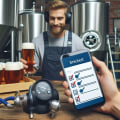
- Measuring Tools: Accurate measurements are crucial in brewing. Tools like hydrometers, refractometers, and pH meters help ensure that your ingredients are balanced and your brew is consistent.
- Cooling Systems: Rapid cooling of wort post-boil is vital to prevent unwanted bacteria growth. Immersion chillers and plate chillers are popular options that help achieve this quickly.
Understanding these categories will help you make informed decisions when selecting your brewing tools, ensuring a successful brewing experience.
Home Brewing Equipment
Home brewing is an exciting and rewarding hobby that allows you to create your own unique beverages right in your kitchen. Whether you're a novice or an experienced brewer, having the right home brewing equipment is essential for producing high-quality results.For beginners, starting with the basics is key. Here are some essential home brew supplies that every new brewer should consider:- Brew Kettle: A large pot is necessary for boiling your ingredients. A 5-gallon kettle is a great starting point.
- Fermenter: This is where your brew will ferment.
A glass carboy or a food-grade plastic bucket with an airlock works well.
- Sanitizer: Keeping your equipment clean is crucial to avoid contamination. Look for no-rinse sanitizers for convenience.
- Hydrometer: This tool measures the specific gravity of your brew, helping you determine alcohol content and fermentation progress.
- Bottling Supplies: You'll need bottles, caps, and a capper to package your finished product.
- All-in-One Brew Systems: These systems combine multiple functions into one unit, making the brewing process more streamlined.
- Kegging System: Instead of bottling, you can use kegs for easier storage and serving of your beer.
- Temperature Control Equipment: Maintaining the right temperature during fermentation can significantly improve your brew quality.
With the right home brewing equipment, you'll be well on your way to crafting delicious beverages that impress friends and family alike.
Commercial Brewing Equipment
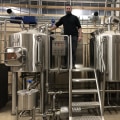
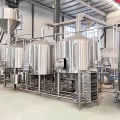
When it comes to commercial brewing equipment, the right tools can significantly enhance both the quality and efficiency of your production process. Whether you are setting up a new brewery or upgrading your existing setup, investing in professional brewing supplies is essential for achieving scalability and consistency.One of the foundational components of any brewery is the brewing kettle. This equipment is crucial for boiling the wort and adding hops, which contributes to the flavor profile of the final product. Modern kettles often come equipped with features such as temperature control and integrated heating elements, allowing for precise brewing.Another vital piece of commercial brewing equipment is the fermentation tank.These tanks are designed to create an optimal environment for yeast activity, which is essential for fermentation. Options range from small conical fermenters to large, stainless steel tanks that can handle significant volumes, making them ideal for scaling up production.
- Cooling Systems: Effective cooling systems are necessary to quickly lower the temperature of wort after boiling, preventing unwanted flavors and ensuring yeast viability.
- Bottling and Packaging Equipment: Once fermentation is complete, having reliable bottling and packaging equipment streamlines the process of getting your product to market.
- Quality Control Instruments: Tools such as hydrometers and pH meters help maintain quality throughout the brewing process, ensuring that each batch meets your standards.
Specialized Brewing Equipment
For brewing enthusiasts looking to elevate their craft, specialized brewing equipment offers unique tools that cater to specific styles and advanced techniques.These tools not only enhance the brewing process but also allow for greater experimentation and creativity.One popular category of specialized brewing equipment is the all-in-one brewing system. These systems combine multiple functions into a single unit, allowing brewers to mash, boil, and ferment without needing separate equipment. This convenience is perfect for those with limited space or for those who want to streamline their brewing process.Another essential tool for serious brewers is the kettle with built-in temperature control. Maintaining precise temperatures during the brewing process is crucial for achieving desired flavors and aromas.
With this equipment, brewers can easily monitor and adjust temperatures, ensuring optimal results every time.
- Cold Brew Coffee Makers: Ideal for coffee enthusiasts, these devices allow for a slow extraction process that results in a smooth, less acidic brew.
- Fermentation Chambers: These controlled environments help maintain consistent temperatures and humidity levels, which are vital for successful fermentation.
- Grain Mills: For those who prefer to use whole grains, a grain mill allows brewers to crush their grains to the desired consistency, enhancing flavor extraction during mashing.
Essential Accessories for Brewing
When it comes to brewing equipment supply, having the right accessories can significantly enhance your brewing experience.These essential tools not only streamline the brewing process but also ensure that you achieve the best possible flavors and aromas in your final product. Below is a list of must-have brewing accessories that every brewer should consider.
- Thermometer: A reliable thermometer is crucial for monitoring temperatures during various stages of brewing. Whether you're mashing grains or boiling wort, precise temperature control can make a significant difference in the quality of your brew.
- Hydrometer: This tool measures the specific gravity of your liquid, helping you determine the potential alcohol content and monitor fermentation progress. Understanding these metrics is vital for achieving consistent results.
- Brew Kettle: While often considered primary equipment, a high-quality brew kettle with a built-in thermometer and spigot can greatly enhance your brewing efficiency and ease of use.
- Fermentation Vessel: A good fermentation vessel, such as a glass carboy or food-grade plastic bucket, is essential for allowing yeast to work its magic while preventing contamination.
- Airlock: This simple device allows gases to escape during fermentation while keeping unwanted contaminants out.
It's an essential component for any fermentation setup.
- Bottling Equipment: From bottling buckets to capper tools, having the right bottling equipment ensures that your beer is packaged correctly and remains fresh for consumption.
Maintenance and Care for Brewing Equipment
Proper maintenance and care of your brewing equipment are essential for ensuring its longevity and optimal performance. Whether you are a home brewer or a professional, following these tips will help you keep your tools in top shape.Regular Cleaning
Cleaning your brewing tools after each use is crucial.Residue from previous brews can affect the flavor of your next batch. Here are some cleaning tips:
- Use warm water and a mild detergent to clean all equipment, including fermenters, kettles, and bottles.
- Sanitize all surfaces that come into contact with your brew using a food-safe sanitizer to prevent contamination.
- For stubborn stains or buildup, consider using a specialized brewing cleaner designed to tackle tough residues.
Routine Inspections
Regularly inspect your brewing equipment for any signs of wear or damage. This includes:- Checking seals and gaskets for leaks, especially in fermenters and kegs.
- Examining hoses and tubing for cracks or brittleness that could lead to failures during brewing.
- Looking for rust on metal components, which can compromise the integrity of your equipment.
Storage Tips
When not in use, proper storage of your brewing equipment is vital:- Store in a cool, dry place to prevent moisture buildup that can lead to mold or rust.
- If possible, disassemble parts that can be easily taken apart to ensure thorough cleaning and drying.
- Avoid stacking heavy items on top of delicate equipment to prevent damage.
Frequently Asked Questions about Brewing Equipment Supply
When it comes to brewing equipment supply, many enthusiasts and professionals have questions that can help them make informed decisions.Here are some of the most frequently asked questions:
- What types of brewing equipment do you offer?
We provide a wide range of brewing equipment, including but not limited to:- Home brewing kits
- Commercial brewing systems
- Fermentation vessels
- Brew kettles
- Cooling systems
- Filtration equipment
- How do I choose the right brewing equipment?
Choosing the right equipment depends on several factors, including your brewing experience, the type of beverages you want to create, and your budget. Beginners may start with a simple home brewing kit, while experienced brewers might opt for more advanced systems. - What should I consider when troubleshooting my brewing tools?
If you encounter issues with your brewing tools, consider the following steps:- Check for any visible damage or wear on the equipment.
- Ensure all connections are secure and properly fitted.
- Review your brewing process to identify any deviations from standard practices.
- Consult the manufacturer’s manual for specific troubleshooting tips.
- Where can I find replacement parts for my brewing equipment?
Replacement parts can often be found through the manufacturer’s website or authorized retailers. Additionally, many online marketplaces offer a variety of parts compatible with popular brewing systems.